Close

We take the journey your wine makes just as seriously as the wine itself — ice pack shipping all summer long.

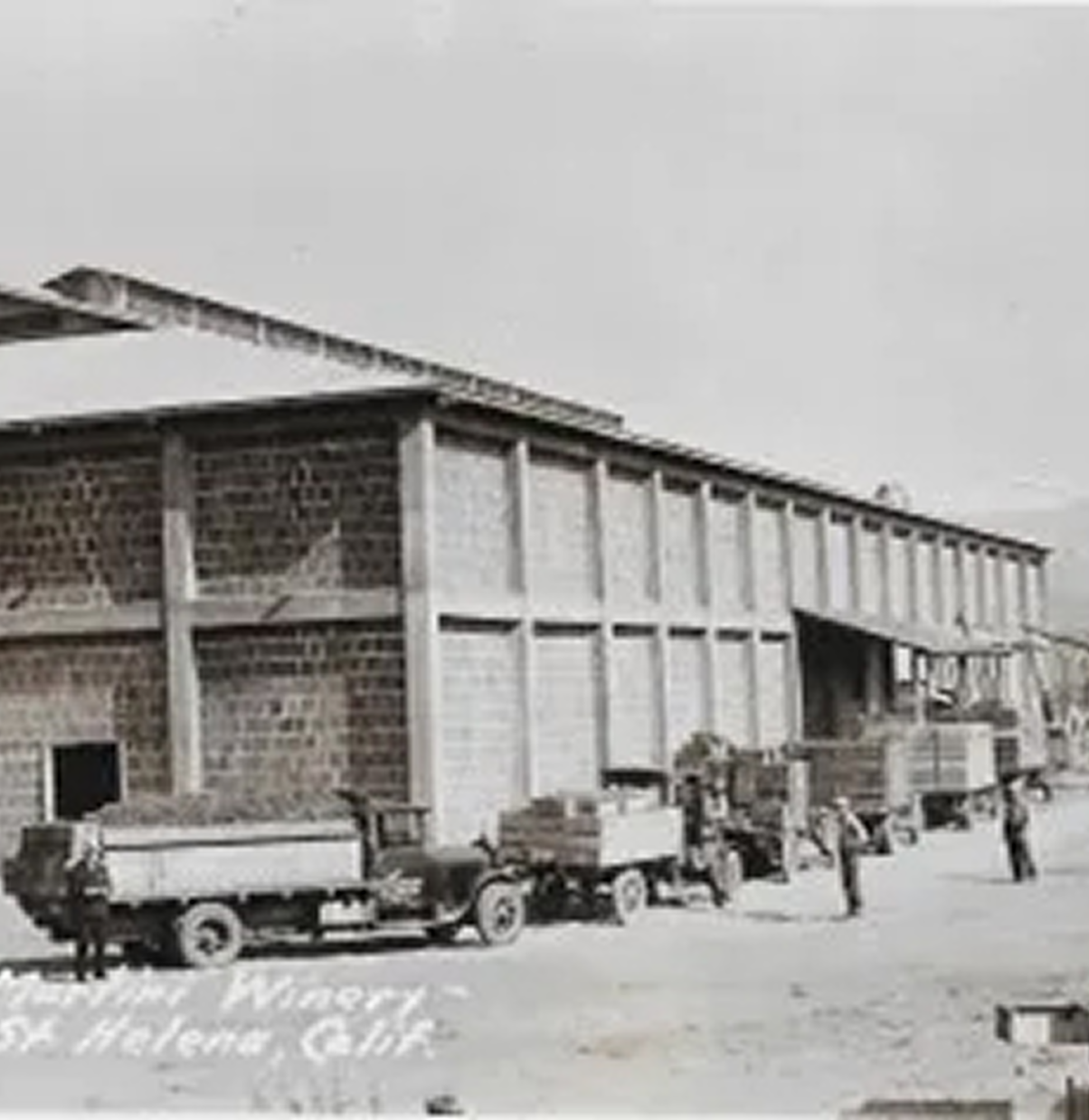
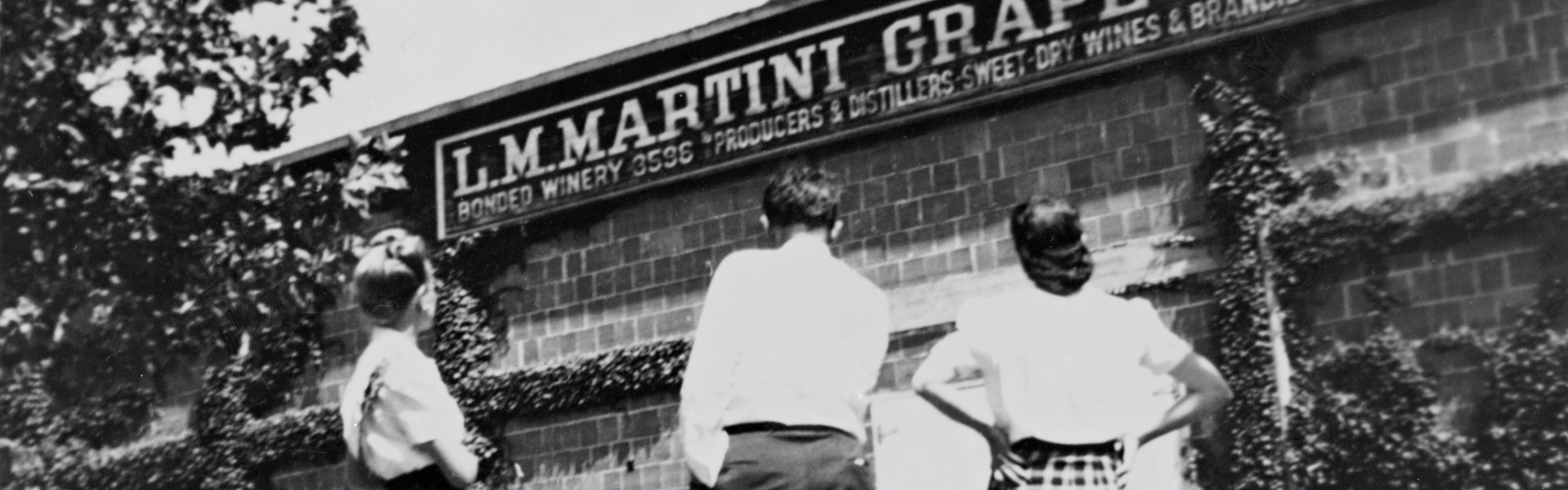
Historical photo of louis m. martini winery

5 Things You Didn’t know about Louis M. Martini

The Story Behind the Bottle Goes Deeper Than You Think


You know the bottle. You know the Cab. But the story behind Louis M. Martini is bolder and more fascinating than most people realize — and once you know it, the wine tastes a little different. Here are five things that might surprise you.


1. He Founded the Winery During Prohibition — On Purpose

Louis M. Martini arrived in San Francisco from Pietra Ligure, Italy at the age of twelve. By eighteen, he had made his first batch of wine. By nineteen, he had built a winery in his backyard — two 2,000-gallon tanks, then a real structure — producing 60,000 gallons. He wasn’t dabbling. He was building a life.

When Prohibition passed in 1919, most winemakers saw the end. Louis M. saw a different path. He moved to the San Joaquin Valley and pivoted to grape products, producing sacramental and medicinal wines — the only categories that remained legal — racking up 10 vintages through the dry years. By 1923, he had purchased and renamed his operation the Louis M. Martini Grape Products Company. And by the time Repeal arrived in 1933, he had 26 vintages under his belt, a thriving business, and a clear vision for what came next. He moved to St. Helena that same year and built one of Napa Valley’s first post-Prohibition wineries — the only newly constructed winery in the valley until Robert Mondavi opened his doors 30 years later.

That kind of timing doesn’t happen by accident. It happens when someone has been planning for it all along.


2. He Saw Napa Valley’s Potential Before Almost Anyone Else Did

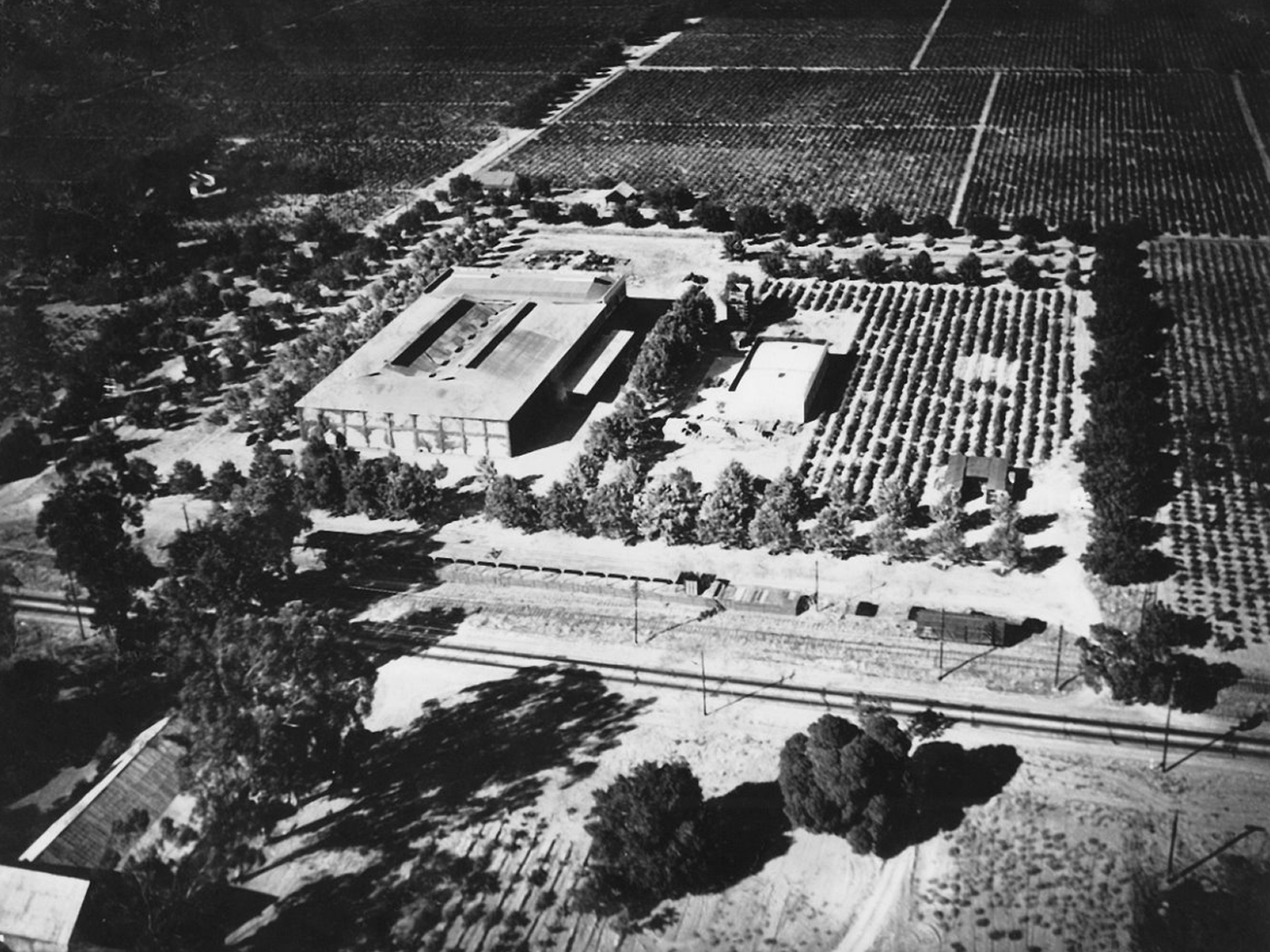
In the 1930s, Napa Valley wasn’t the world-famous wine region it is today. It was a patchwork of orchards, farms, and a handful of wineries still finding their footing after Repeal. When Louis M. arrived, he tried to buy Charles Krug — the owners would lease but not sell. He looked at Greystone, but at $55,000 it was too steep. Freemark Abbey fell through. He eventually paid $3,000 for ten acres on Highway 29 in St. Helena (the very property the winery still sits on today) and got to work.
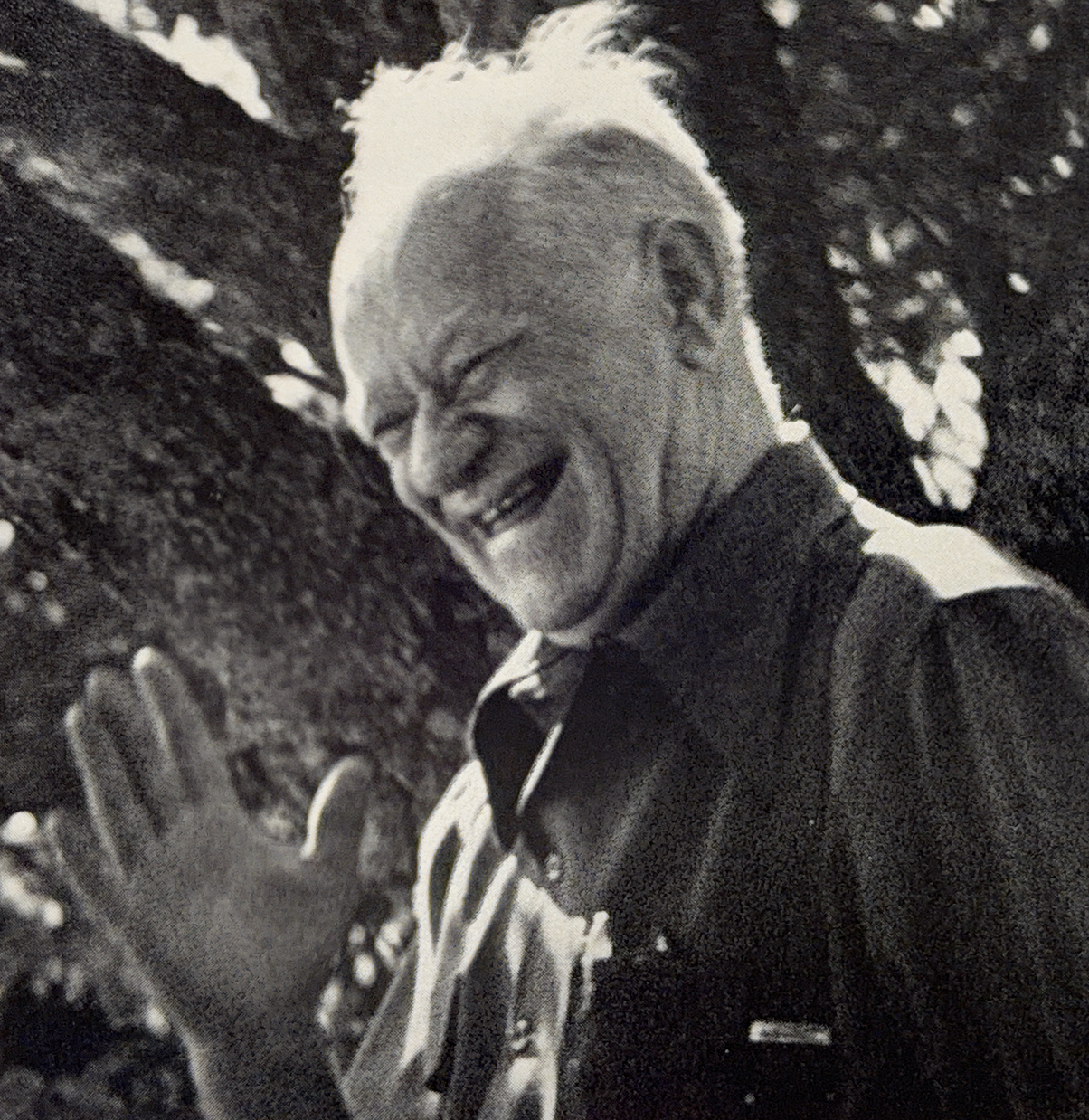
Louis M. Martini

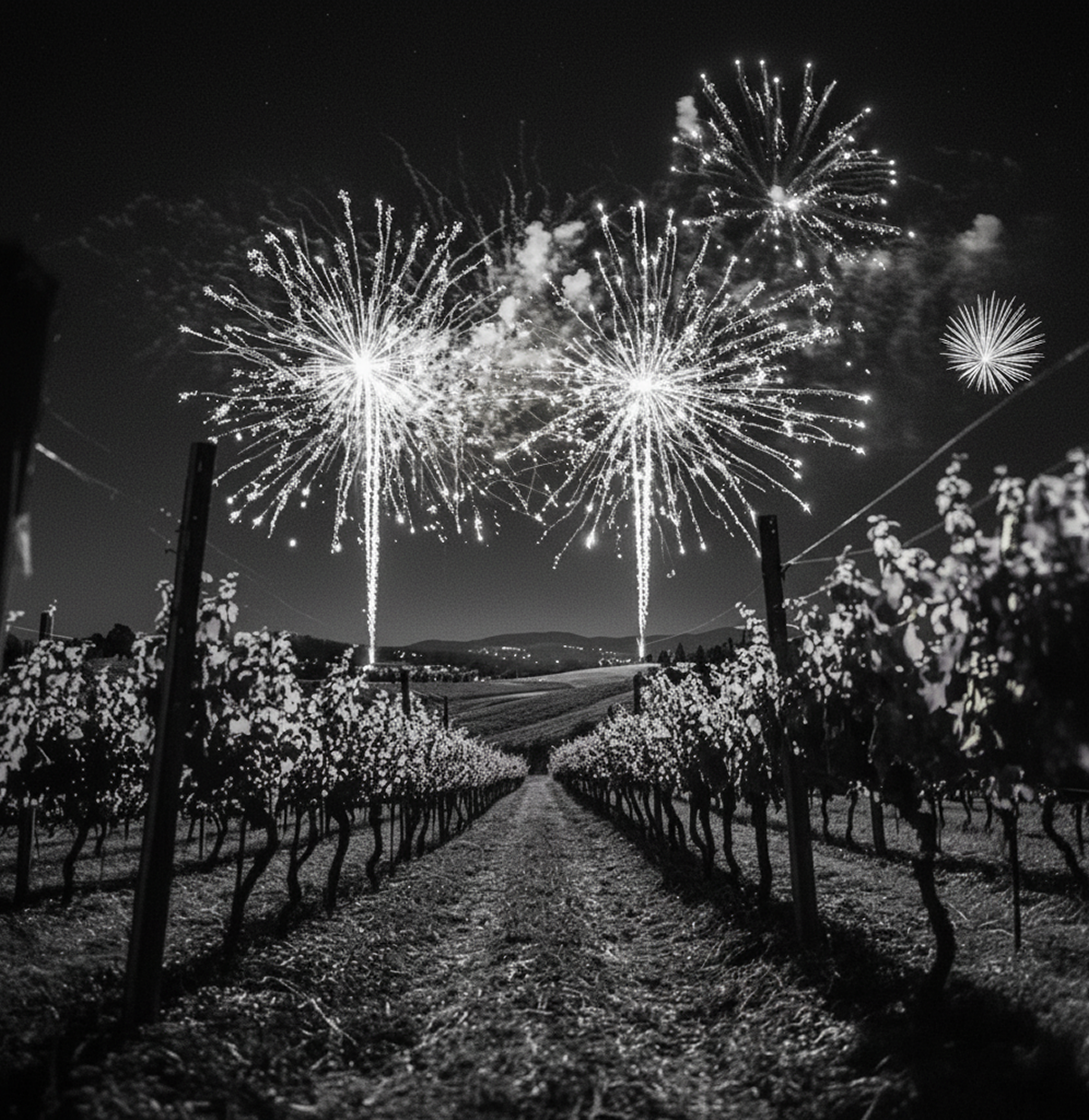
fireworks at monte rosso vineyard

louis m. martini historical photo

3. He Invented Practices the Whole Industry Now Takes for Granted

Louis M. Martini had a simple philosophy: “Wine has four enemies: high temperature, too much sulfurous acid, metal, and air. Keep away from those and ferment it cool.” He built his entire operation around it.

At a time when most California wine was sold as generic jug wine — no grape variety, no vintage, no sense of place — Louis M. was obsessed with varietal correctness. In 1940, wine merchant and writer Frank Schoonmaker visited the winery and was so struck by the fact that Louis M. was already labeling his wines by varietal that he bought on the spot. Louis M.’s response to the recognition? “The label is an indication of modesty.”

He pioneered temperature-controlled fermentation in 1936 — a technique now considered standard across the world. He championed vintage dating when it was still a novel idea. He fought with federal regulators for years over how to honestly name his wines: first “Sonoma Cabernet Sauvignon” (rejected), then “Mountain Cabernet” (also rejected), before settling on “California Mountain.” Vineyard designation wouldn’t become possible until the 1960s — he finally put Monte Rosso on the label in 1977. He didn’t chase trends. He set them, then waited for the industry to catch up.

4. He Threw Some of Napa’s Most Legendary Parties

Louis M. Martini didn’t just make wine — he understood what wine was for. When opera stars came through San Francisco, he would bring them up to Monte Rosso for dinner. What started as an intimate gathering grew into an event of 200 to 300 people, gathered on a mountain to eat, drink, and celebrate. For nearly two decades, the winery hosted July 4th fireworks celebrations that became a fixture of the St. Helena community.

Long before “wine country experience” became an industry term, Louis M. was already living it — and sharing it generously with anyone who showed up.

louis m. martini founder of napa valley wine institute

5. He Helped Build the Infrastructure of Napa Valley Itself

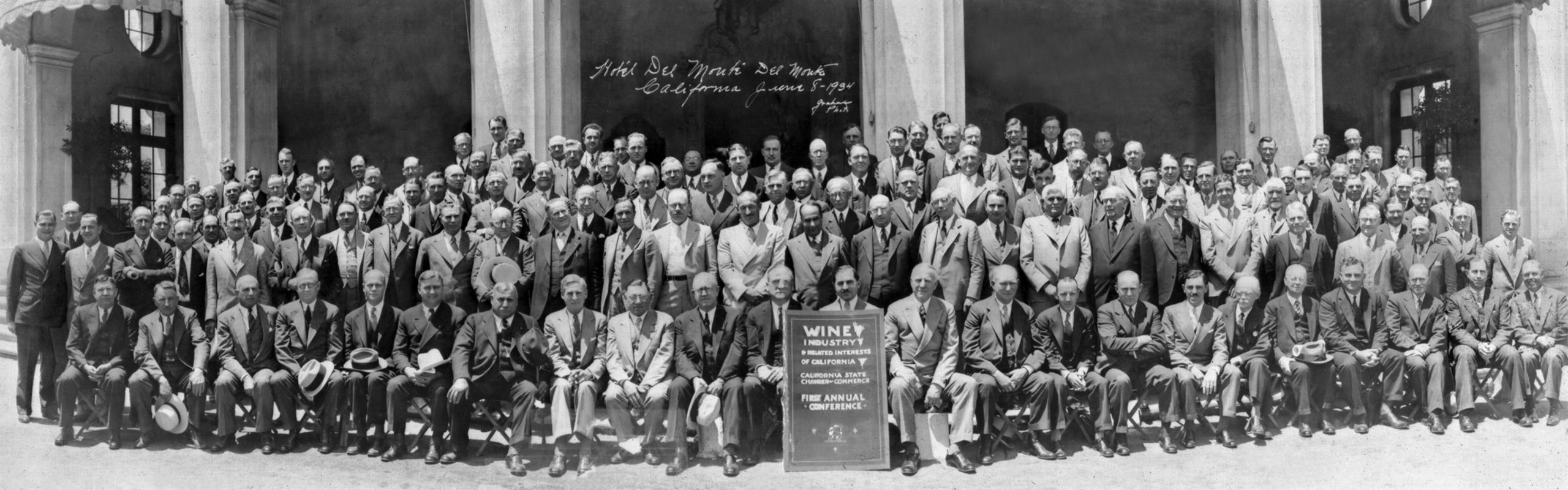
Louis M. Martini was building an industry. In 1932, he co-founded the Wine Institute, one of the earliest and most enduring advocacy organizations in American wine. In 1943, he co-founded the Napa Valley Vintners Association — which he described, with characteristic wit, as an organization whose “main function is to eat, drink, and be merry.” That organization would go on to shape Napa’s identity, its regulations, and its global reputation for generations.

His influence ran so deep that André Tchelistcheff famously named him one of just three “apostles of the modern California wine industry.” And when asked why he fought so hard for the Napa Valley Land Trust, he answered: “I want the grapes to be here. I like grapes. And I think it’s better for the valley.”

He was known as the “Grand Old Man” of Napa. He earned it.

The story behind Louis M. Martini isn’t a footnote — it’s the reason the wines taste the way they do.

“I don’t want to brag. Let someone else brag for me.”

- LOUIS M. MARTINI
areal view of louis m. martini in st helena
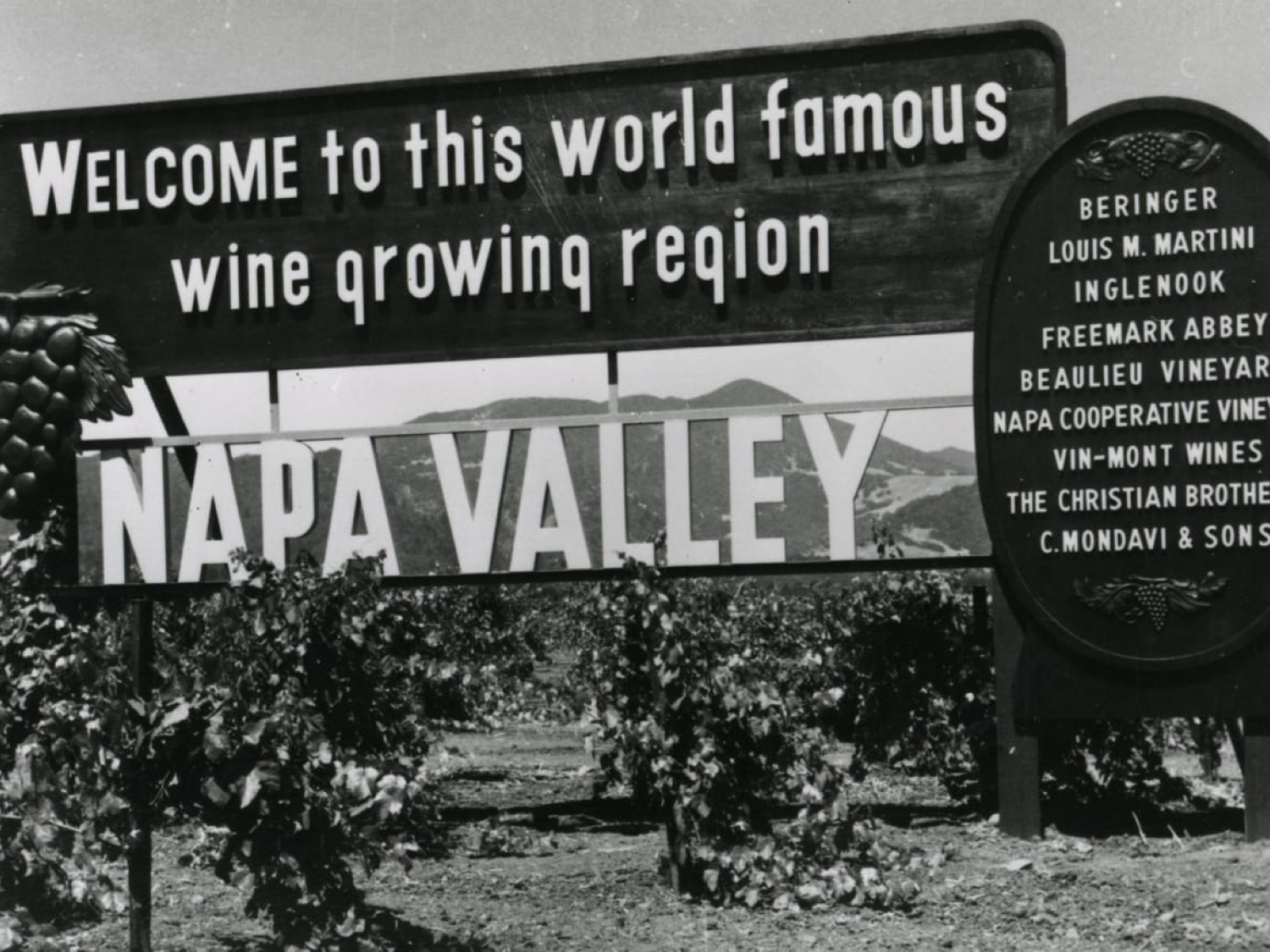
welcome to napa valley sign
Back to Top