More Than a Destination: A Community You Return To
Where Wine Brings People Together.
Napa Valley is full of places designed to be checked off a list. Louis M. Martini was built to become part of people’s lives.
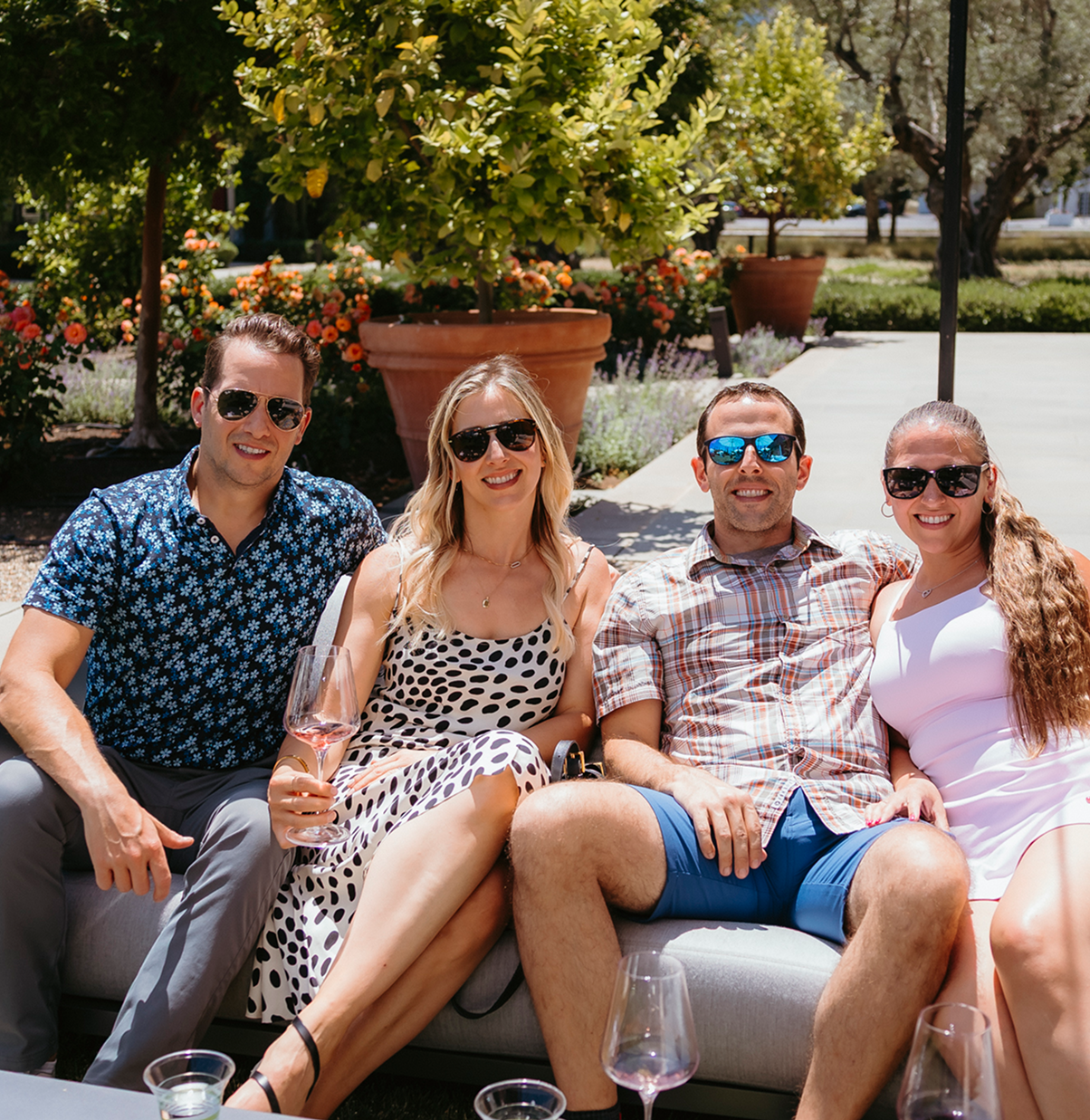
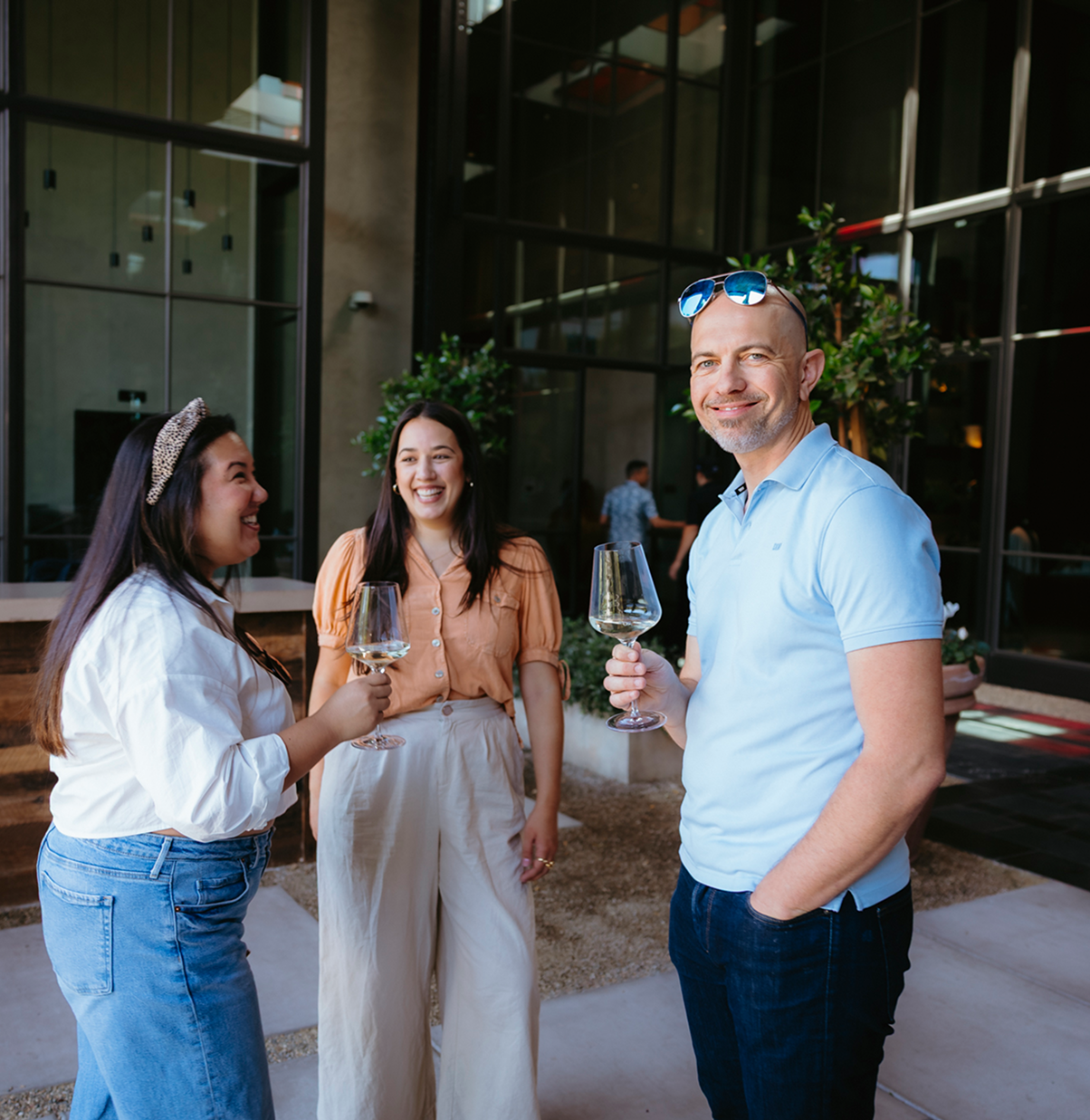
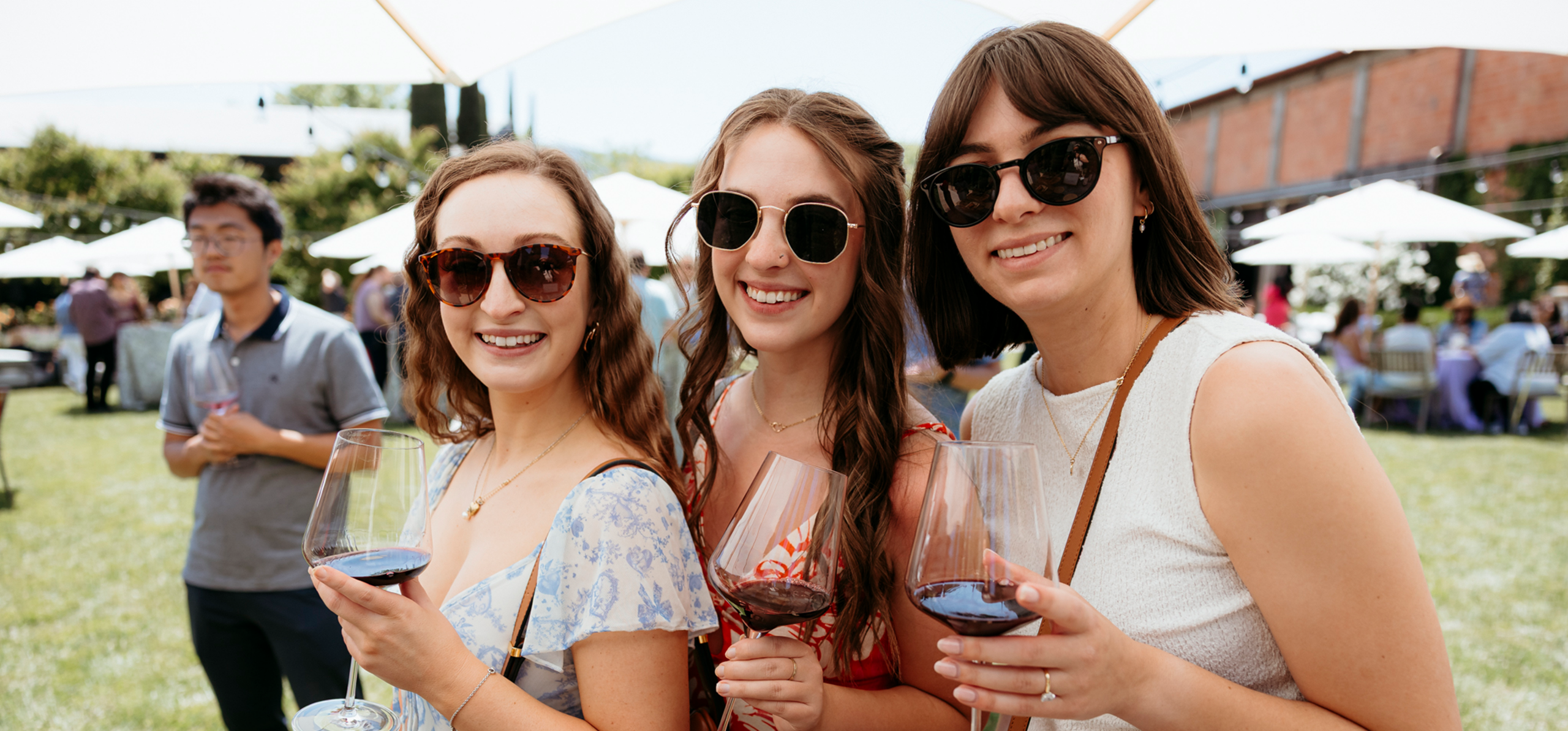
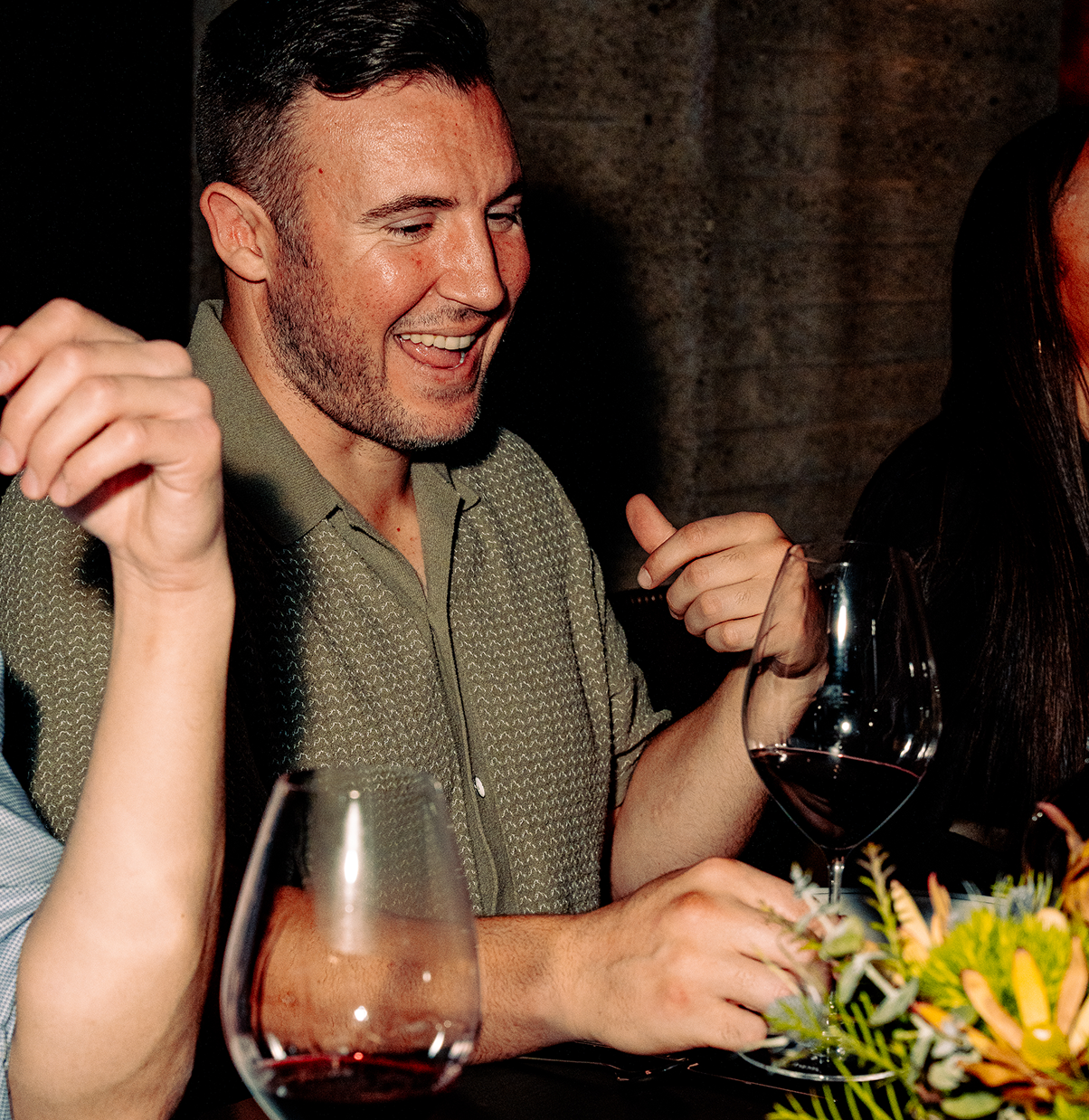
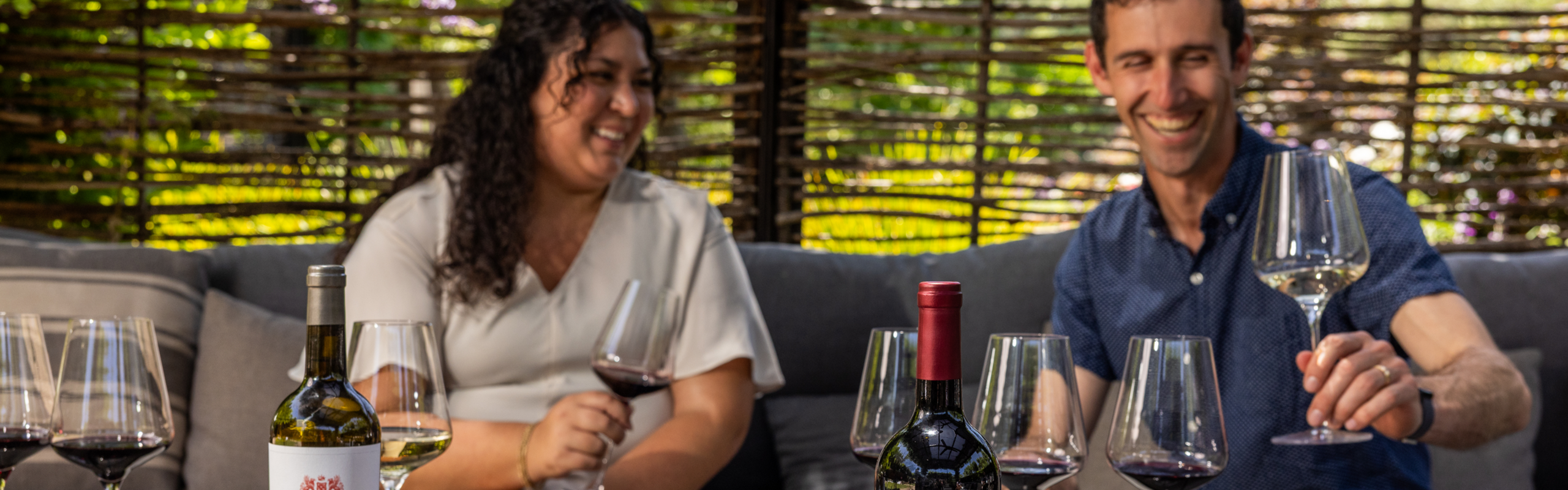
Long before wine tasting made Napa Valley a destination, this winery was a place people returned to—season after season, generation after generation. Growers. Neighbors. Winemakers. Families. People didn’t just pass through. Some stayed. Many came back. They brought others with them—not because of the view or the bottle they carried home, but because they were met with generosity, unhurried attention, and the feeling that their time here mattered.
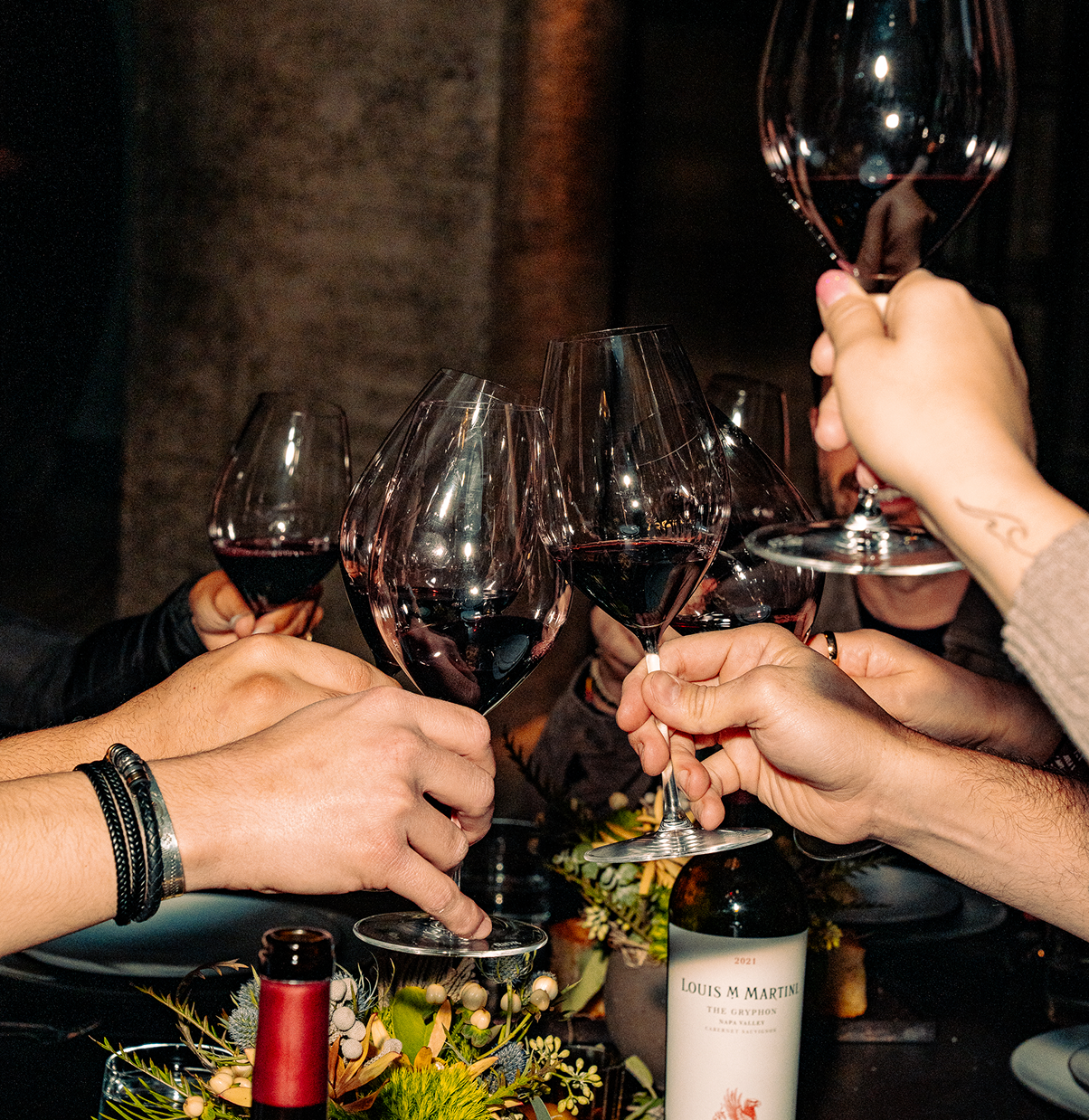
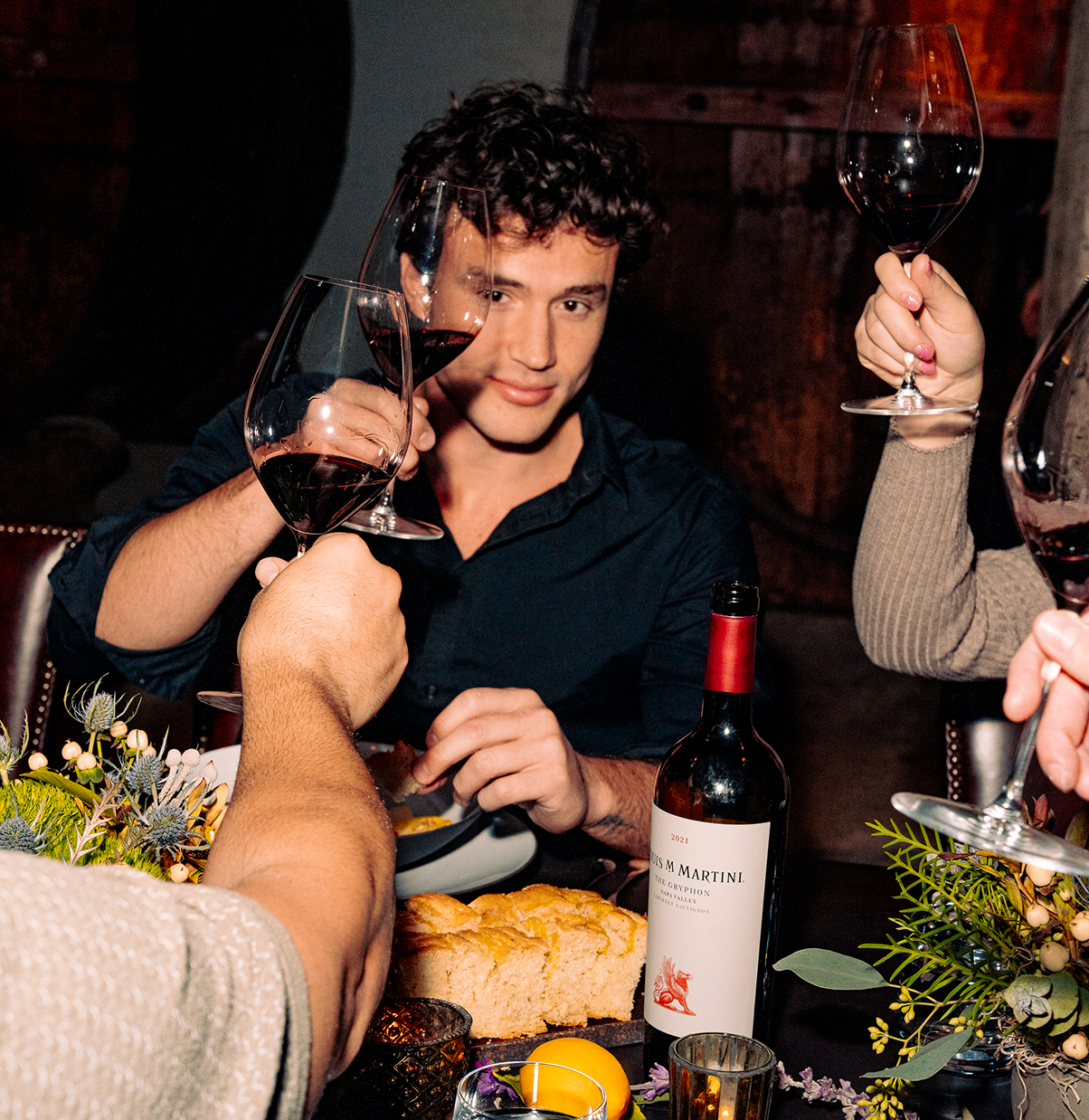
In the early days, hospitality was simple and sincere. Tastings were generous. Wine was shared across a simple plank set atop two barrels. The goal wasn’t spectacle—it was connection. An approach to hospitality rooted in generosity—where wine flowed freely, time wasn’t rushed, and everyone at the table was treated like they belonged.
That way of doing things wasn’t added later. It’s how this place began. And it’s why Louis M. Martini has never been just another Napa winery. It was built to be returned to—again and again, across a lifetime.
Before Napa Was a Destination
Louis M. Martini didn’t build this winery alone. In the years after Prohibition, Napa Valley was rebuilding itself. Vineyards stood bare. Wineries reopened slowly. Progress depended on cooperation—on people willing to share what they knew and protect what mattered.
Martini worked alongside others who believed the valley could become something greater if they built it together. That collaborative spirit helped shape Napa Valley as we know it today and led to the founding of the Napa Valley Vintners. The wines mattered. So did the people behind them—and the community that supported them.
That balance shaped everything that followed. It’s why the winery became a gathering place for St. Helena. Why the grounds filled with celebrations and community events long before Napa became a global destination. And why, nearly a century later, those same priorities still guide how we welcome the people who walk through our doors.