5 Things You Didn’t know about Louis M. Martini
The Story Behind the Bottle Goes Deeper Than You Think
You know the bottle. You know the Cab. But the story behind Louis M. Martini is bolder and more fascinating than most people realize — and once you know it, the wine tastes a little different. Here are five things that might surprise you.
1. He Founded the Winery During Prohibition — On Purpose
Louis M. Martini arrived in San Francisco from Pietra Ligure, Italy at the age of twelve. By eighteen, he had made his first batch of wine. By nineteen, he had built a winery in his backyard — two 2,000-gallon tanks, then a real structure — producing 60,000 gallons. He wasn’t dabbling. He was building a life.
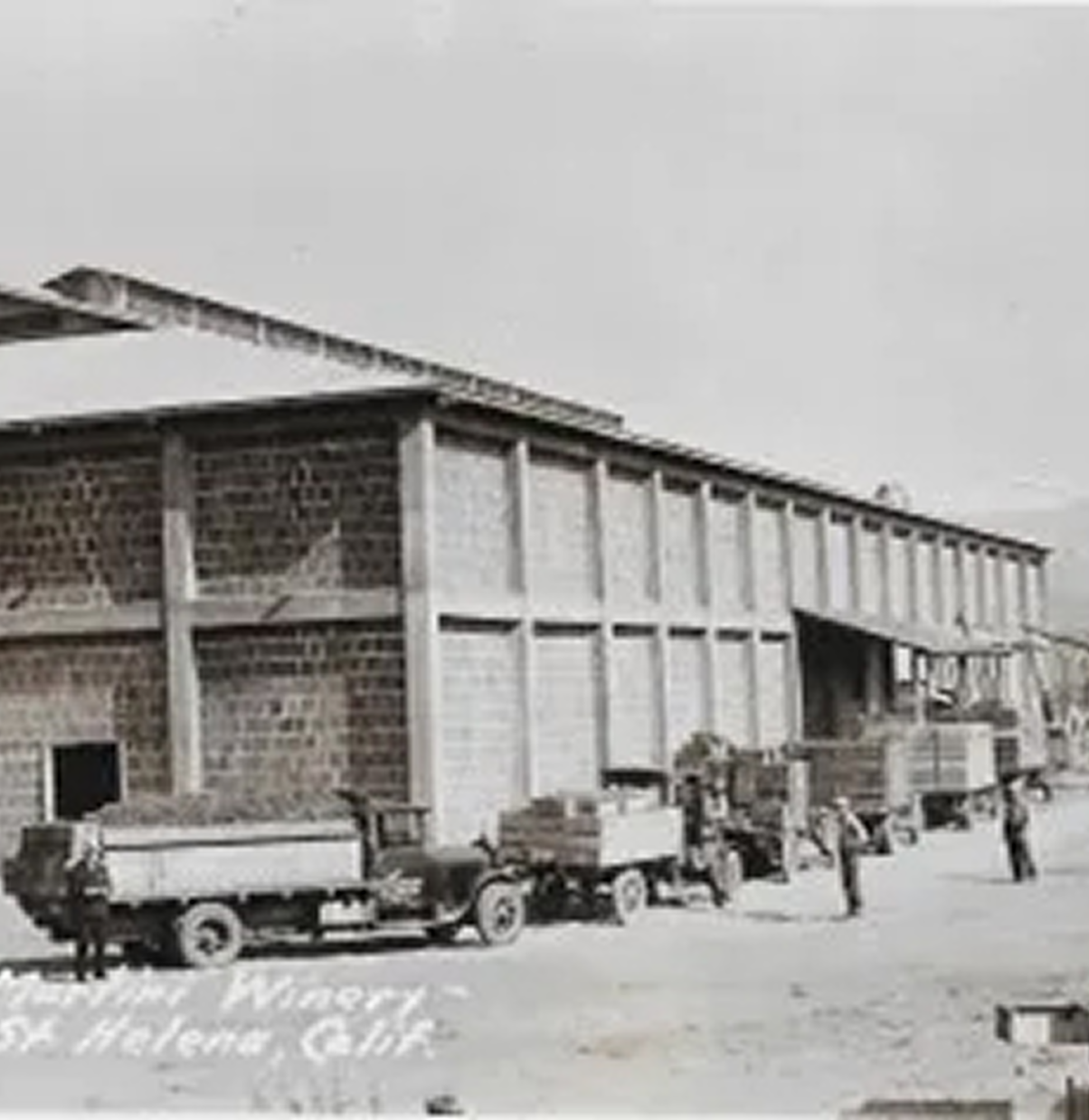
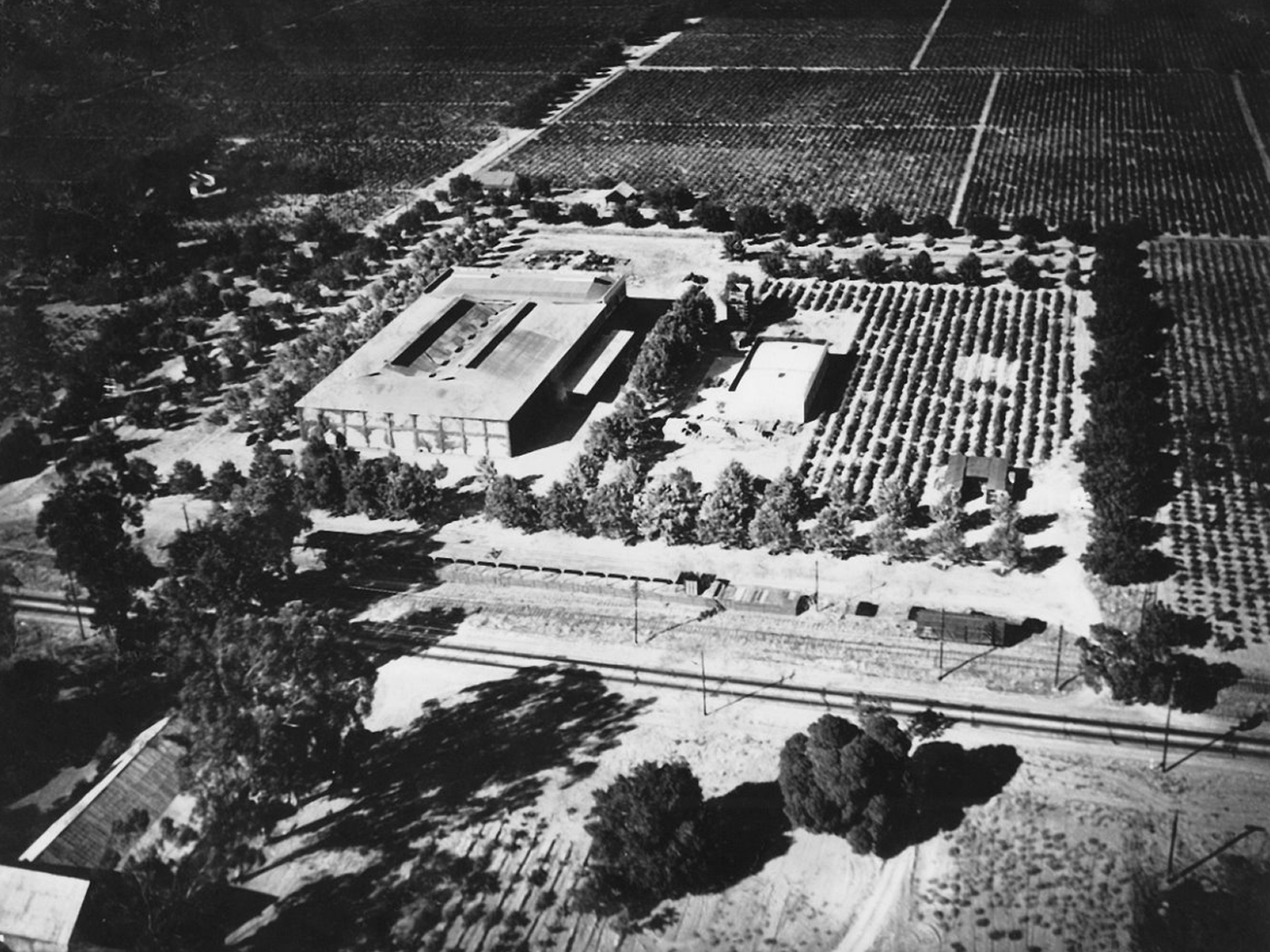
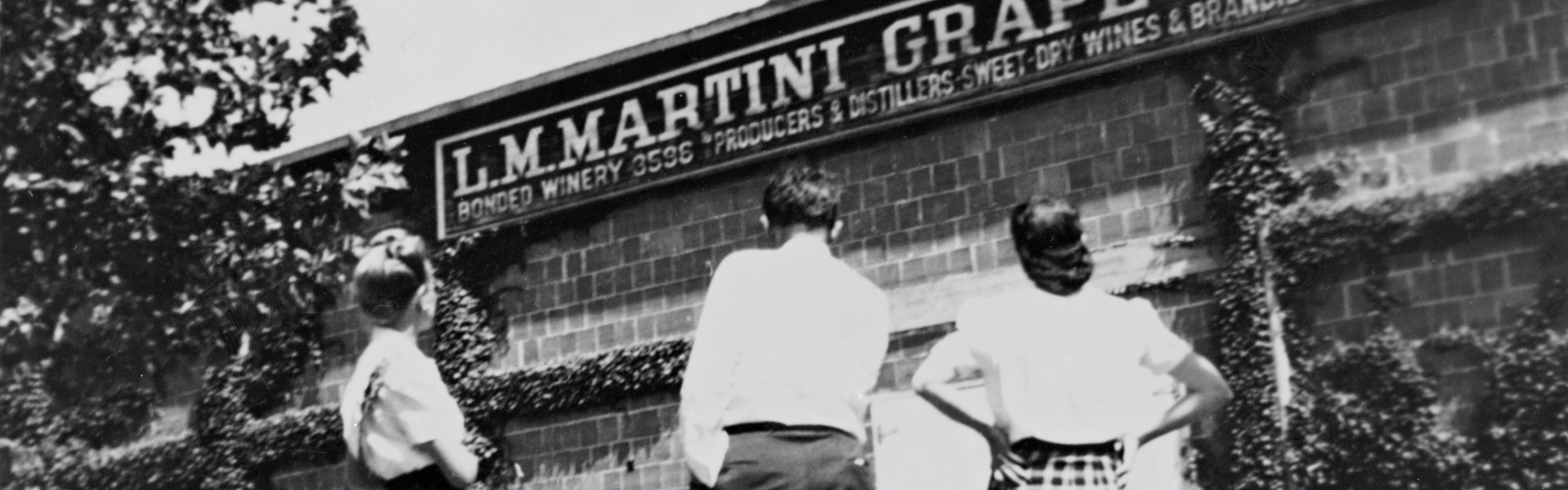
When Prohibition passed in 1919, most winemakers saw the end. Louis M. saw a different path. He moved to the San Joaquin Valley and pivoted to grape products, producing sacramental and medicinal wines — the only categories that remained legal — racking up 10 vintages through the dry years. By 1923, he had purchased and renamed his operation the Louis M. Martini Grape Products Company. And by the time Repeal arrived in 1933, he had 26 vintages under his belt, a thriving business, and a clear vision for what came next. He moved to St. Helena that same year and built one of Napa Valley’s first post-Prohibition wineries — the only newly constructed winery in the valley until Robert Mondavi opened his doors 30 years later.
That kind of timing doesn’t happen by accident. It happens when someone has been planning for it all along.
2. He Saw Napa Valley’s Potential Before Almost Anyone Else Did
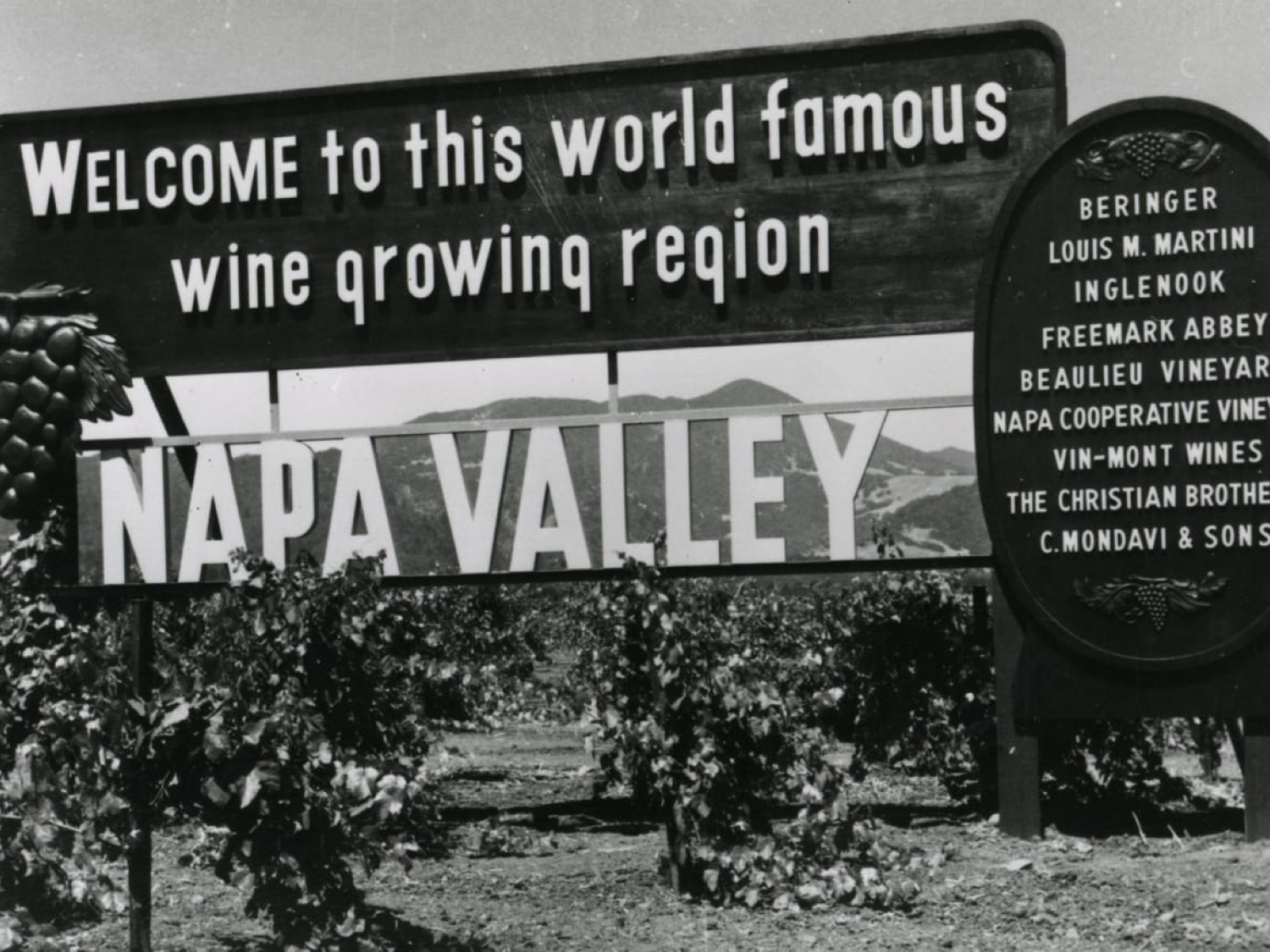
In the 1930s, Napa Valley wasn’t the world-famous wine region it is today. It was a patchwork of orchards, farms, and a handful of wineries still finding their footing after Repeal. When Louis M. arrived, he tried to buy Charles Krug — the owners would lease but not sell. He looked at Greystone, but at $55,000 it was too steep. Freemark Abbey fell through. He eventually paid $3,000 for ten acres on Highway 29 in St. Helena (the very property the winery still sits on today) and got to work.