Close

We take the journey your wine makes just as seriously as the wine itself — ice pack shipping all summer long.

harvest at stagecoach vineyard for Louis m. martini

What harvest Actually Looks Like

Stagecoach Vineyard: A Day in the Life During Harvest with Louis M. Martini


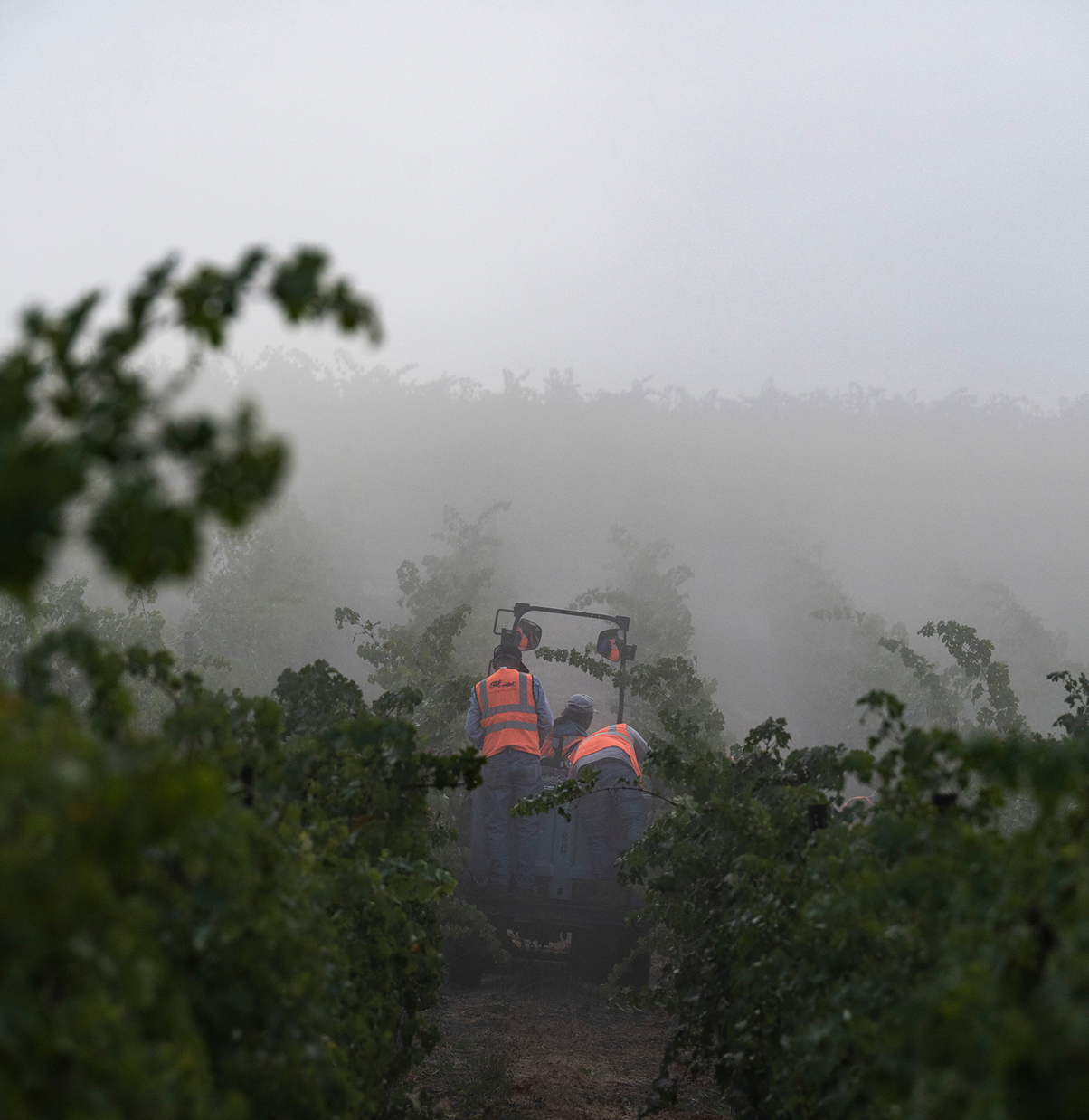
The alarm doesn’t go off at a reasonable hour during harvest. At Stagecoach Vineyard, the terrain is too rugged for a pre-dawn pick, so the crew begins at first light — usually around 6 AM, about 30 minutes before sunrise. It’s early, still cool, and the right moment to begin bringing the vineyard’s character into the bottle.

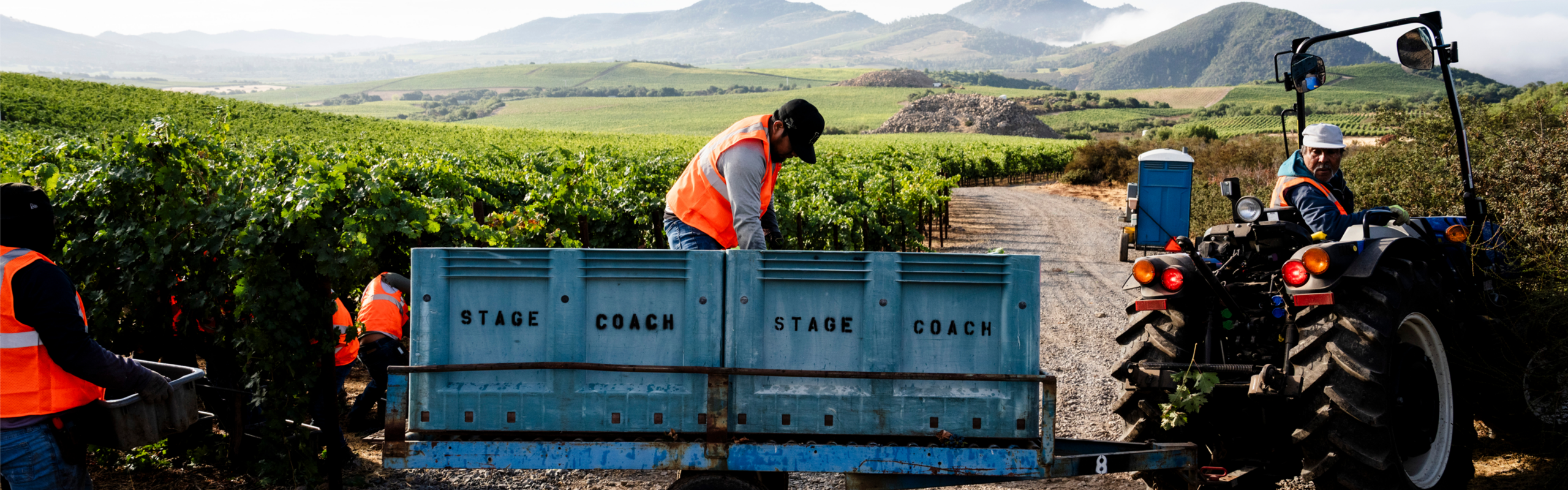
Nestled in a hanging valley, Stagecoach Vineyard spans elevations from 1,000 to 1,700 feet on the western face of Atlas Peak, one of Napa Valley’s most demanding vineyard sites. The elevation, volcanic soil, and the shear volume of rocks and rock outcropping are some of the reasons Cabernet Sauvignon from this site carries such depth and structure. They’re also why harvest here asks more of the people doing the work.


The Pick Starts at Sunrise

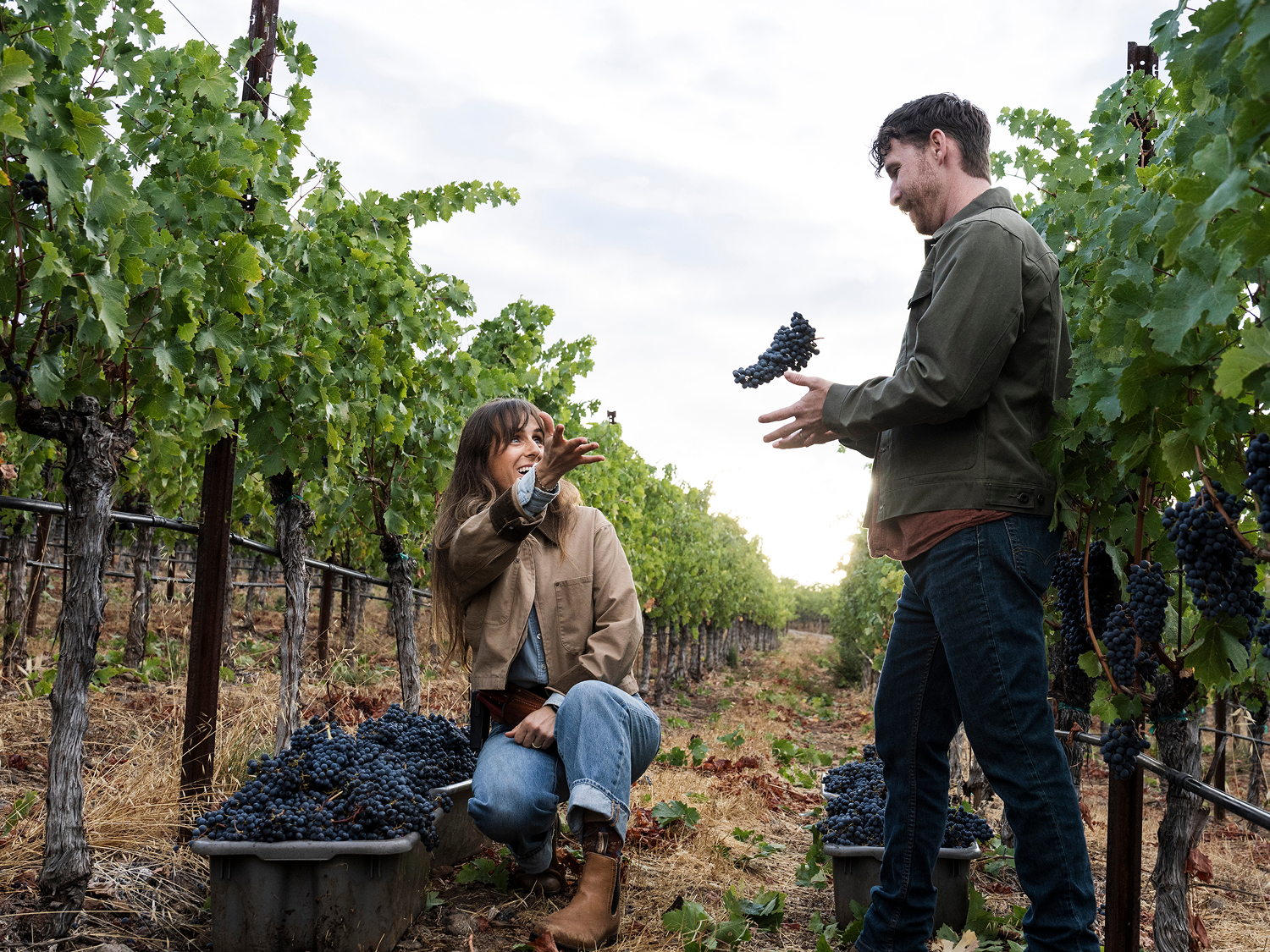
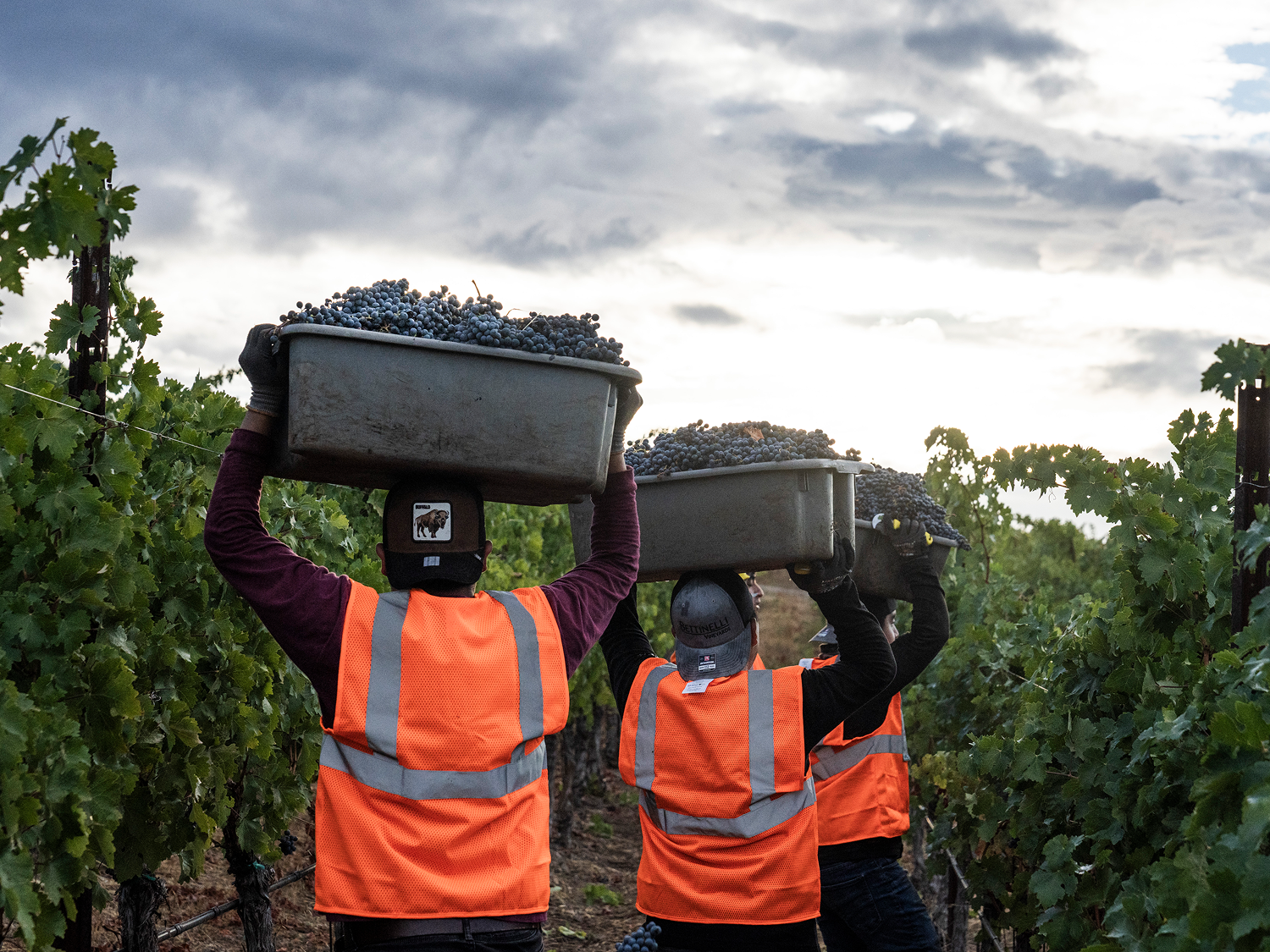
The crew gathers at first light, as the slopes of Stagecoach Vineyard begin to emerge against the Vaca Mountains. Bins are staged, the air is still sharp and cool, and the work begins as the sun rises over the hanging valley.

That timing is intentional. Cooler morning temperatures help keep the fruit in optimal condition as it leaves the vine, preserving its freshness and reducing the risk of unwanted fermentation during transit. Waiting for the heat of the day is not an option we take.

As the light spreads across the vineyard, the first bins begin to fill. The pace is focused and efficient, shaped by the steep terrain and the short window each harvest morning provides.

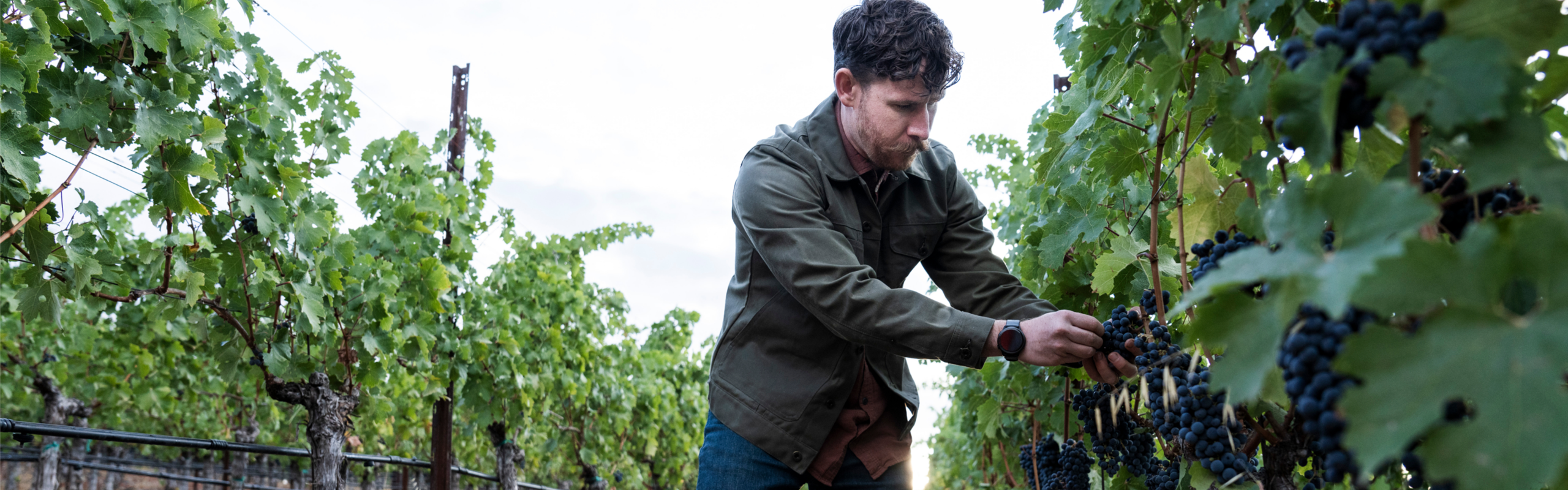
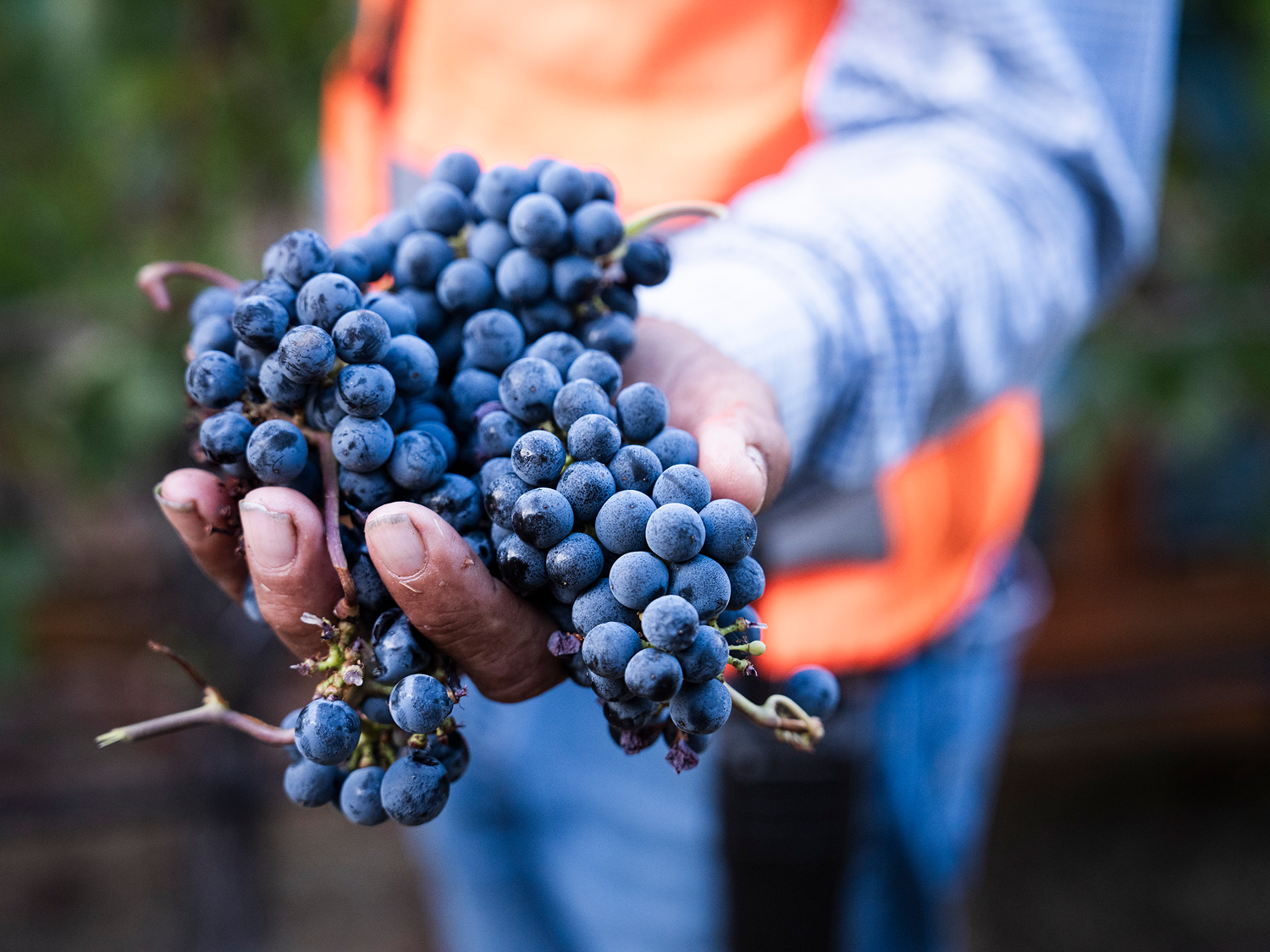
At Stagecoach, every block is picked by hand. The site’s rugged slopes make mechanical harvesting impractical across much of the vineyard, so crews move through the rows one vine at a time. What the terrain demands in effort, it returns in precision.
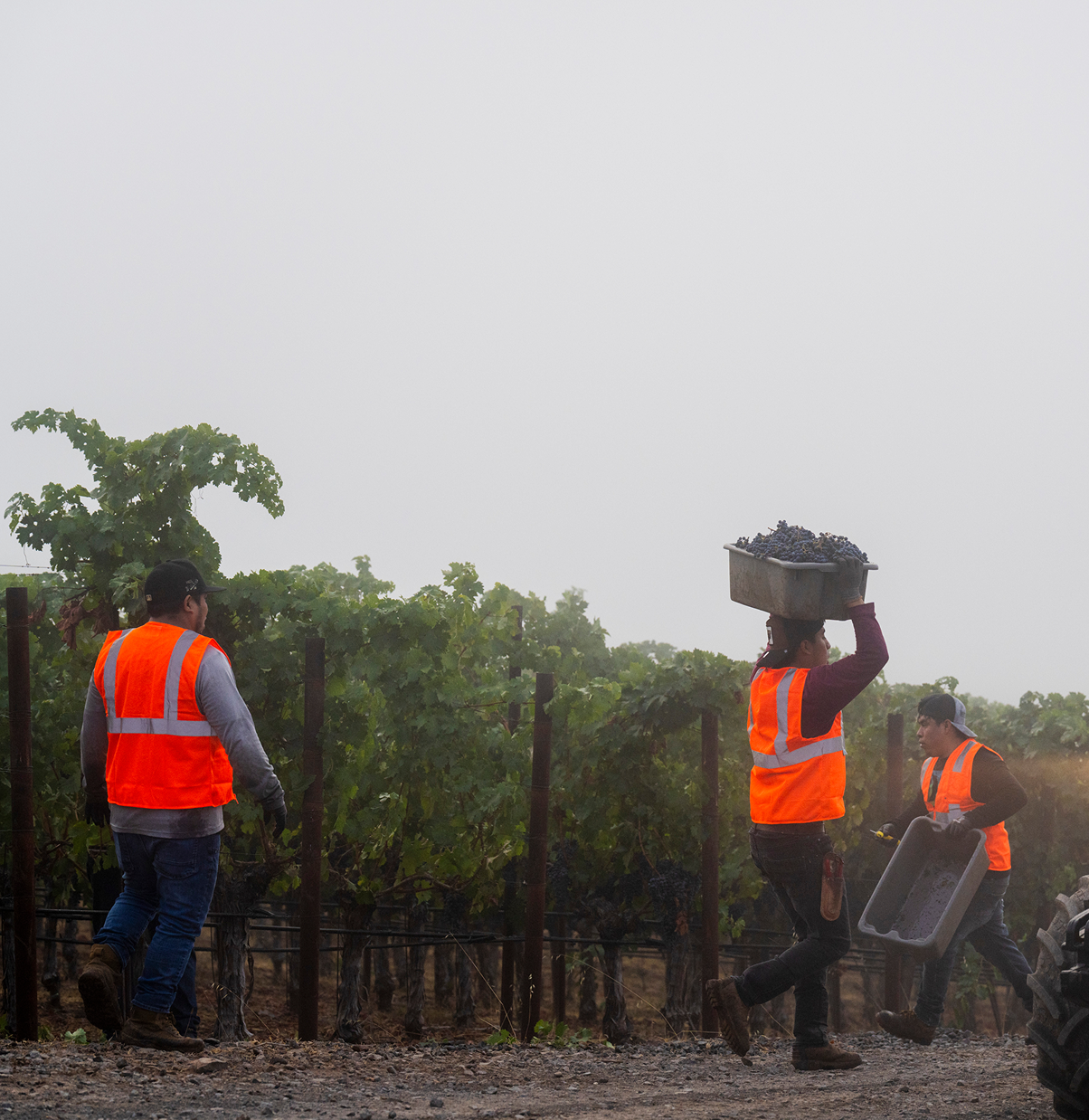
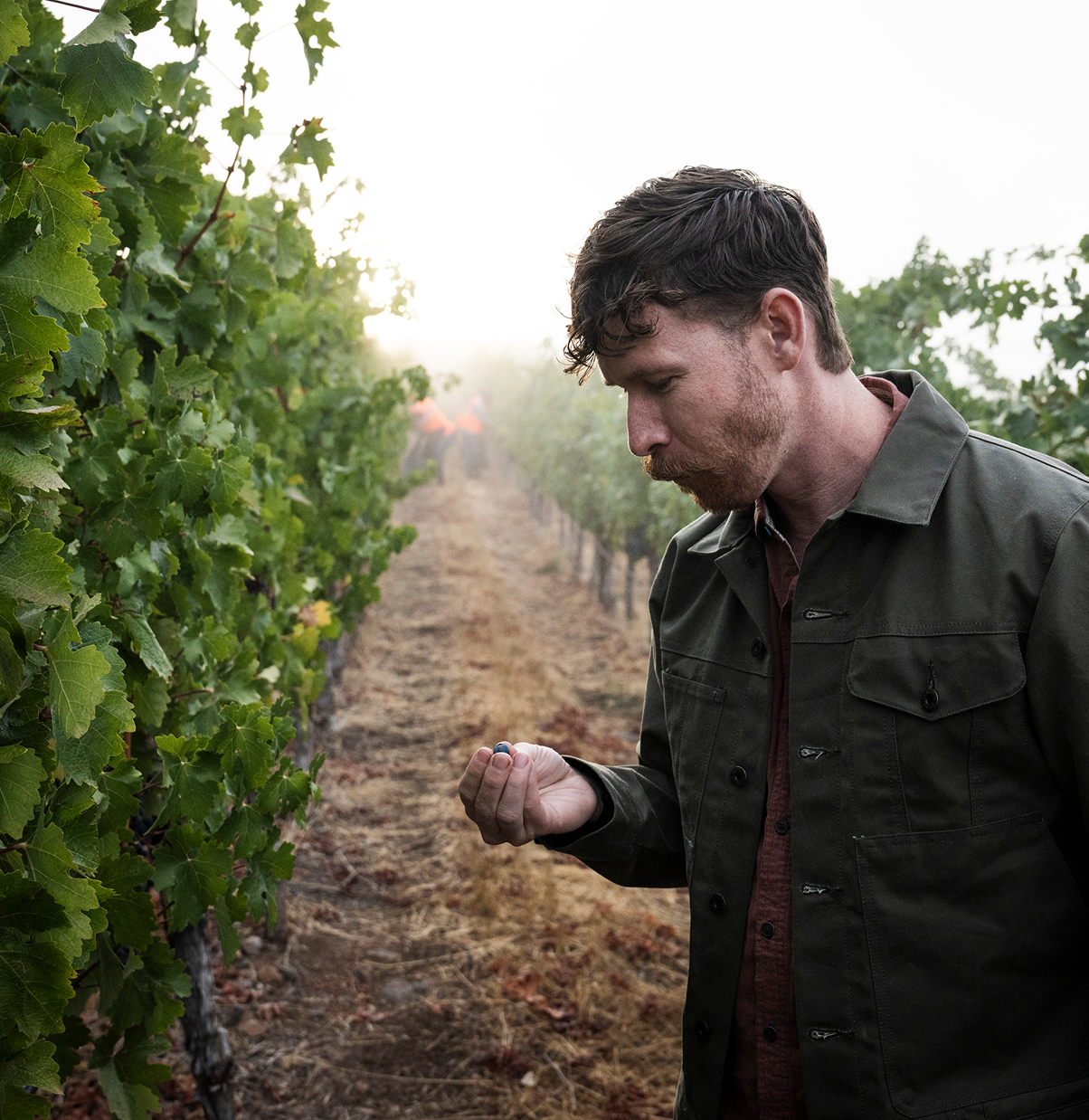
harvest at stagecoach vineyard for Louis M. Martini

harvest at stagecoach vineyard for Louis M. Martini

harvest at stagecoach vineyard for Louis M. Martini

The First Big Call: Sorting the Fruit

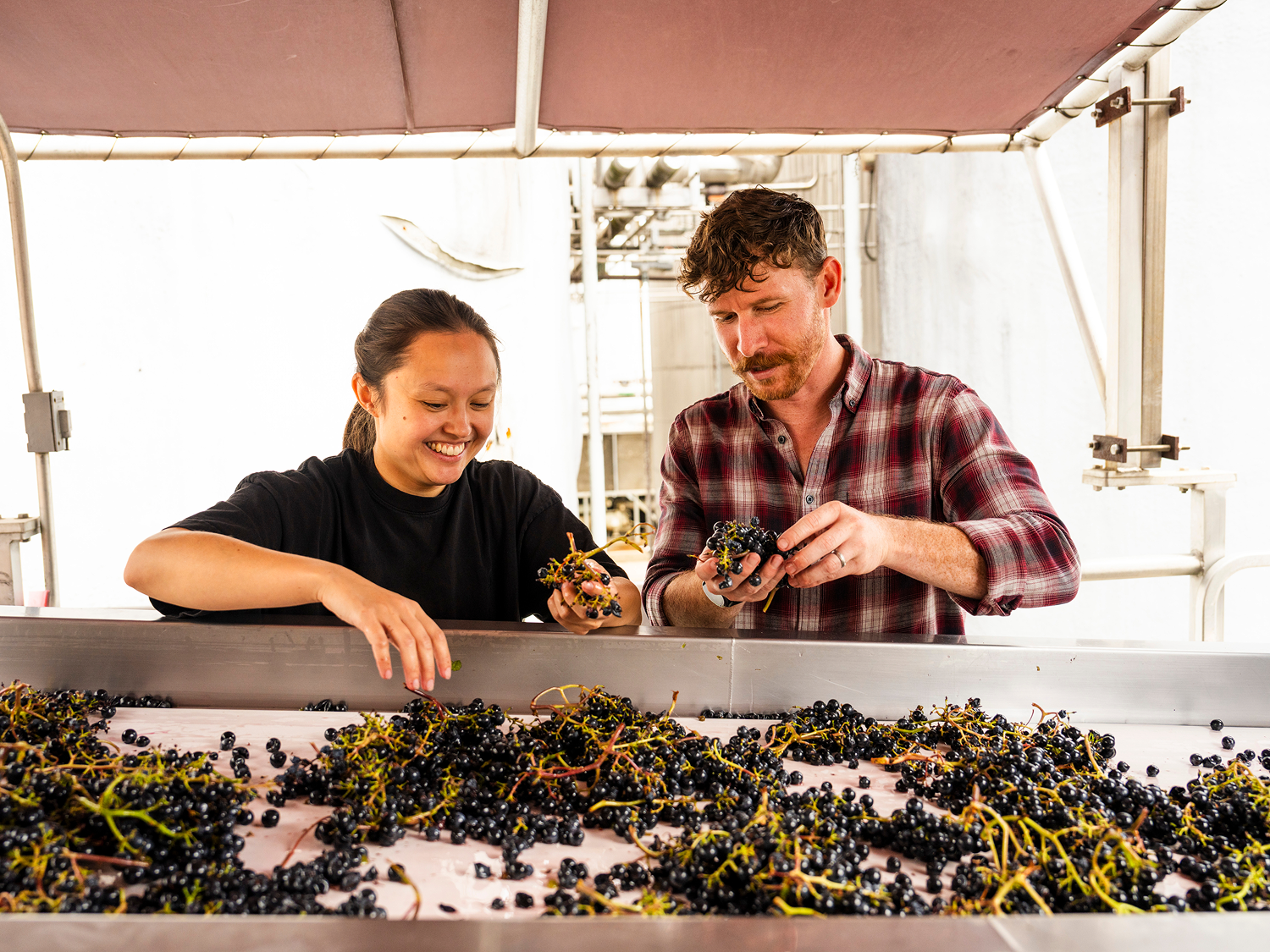
Once the fruit leaves the vineyard, the next decisions begin immediately.

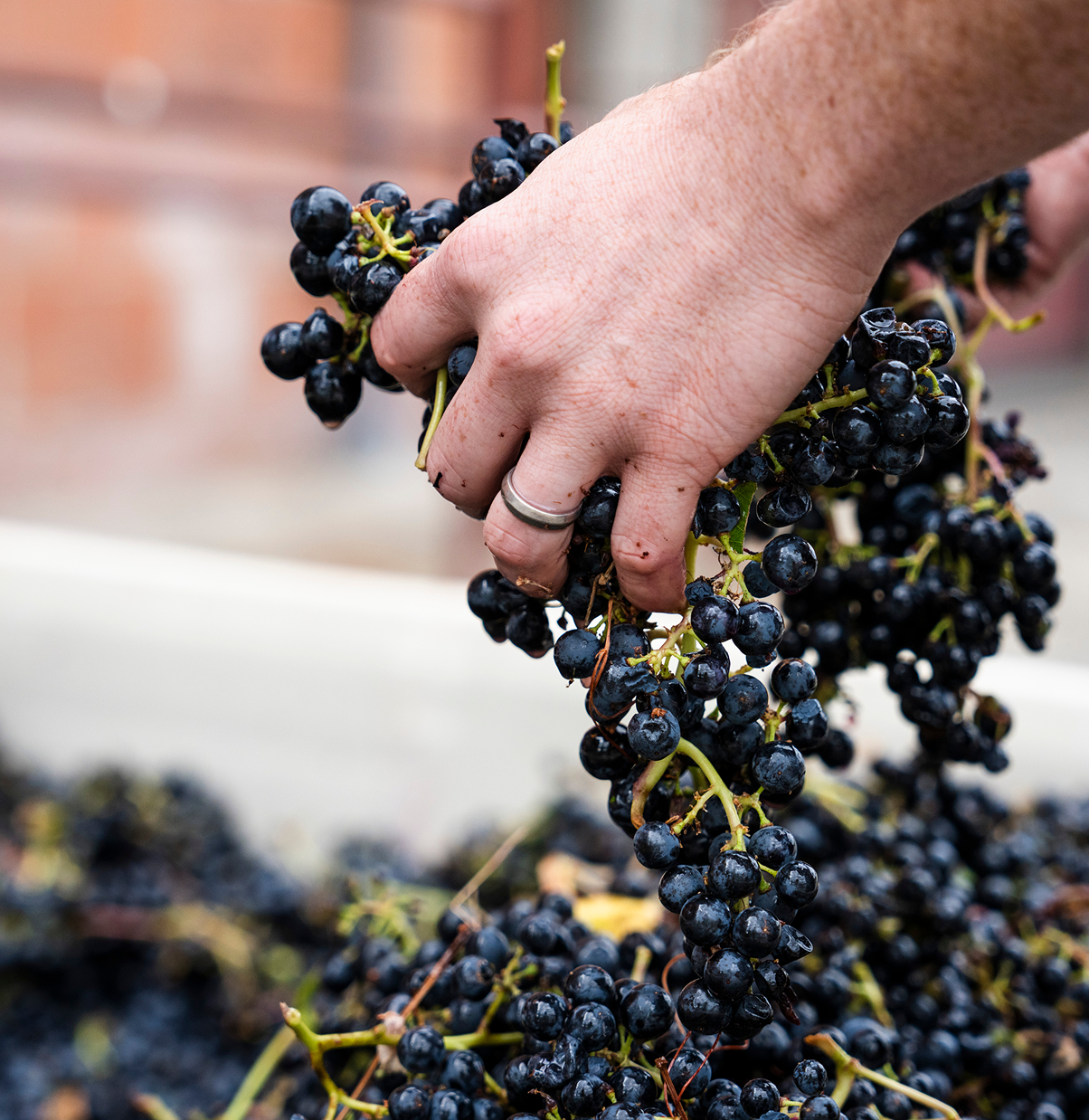
Every cluster gets another look. Anything that doesn’t belong (underripe fruit, overripe fruit, or damaged clusters) is removed before the grapes move forward. It’s painstaking work, and it’s one of the clearest expressions of the discipline behind a great vintage.

You can’t taste the sorting table in the finished wine. But you’d taste its absence.

From there, the winemaking team makes choices that will shape the wine for years: how long a lot should cold soak, what fermentation approach best suits the fruit, and what extraction will let a particular block show its character without overwhelming it.

Stagecoach fruit has a personality of its own — bold, structured, and defined by a tannic backbone that rewards patience. Every decision in the first days of harvest either honors that character or works against it.

harvest at stagecoach vineyard. winemaker picking grapes.

The Middle of the Day: Controlled Chaos

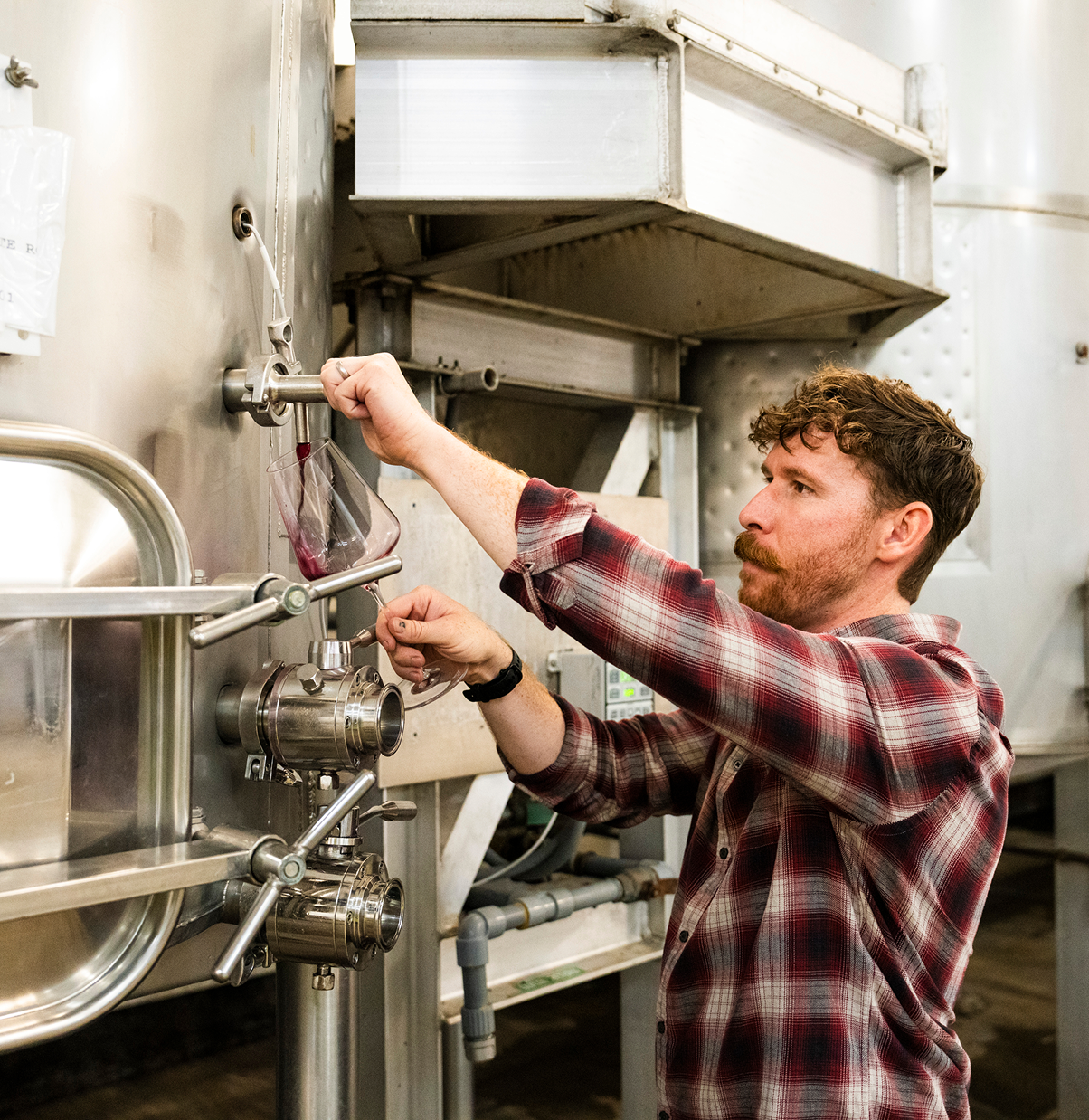
By midday, harvest is moving at full tilt. Once fermentation begins, our focus shifts to the living dynamics inside each tank: the aromas the yeast are creating, the pace at which sugar is being consumed, and the way the wine is beginning to find its shape.

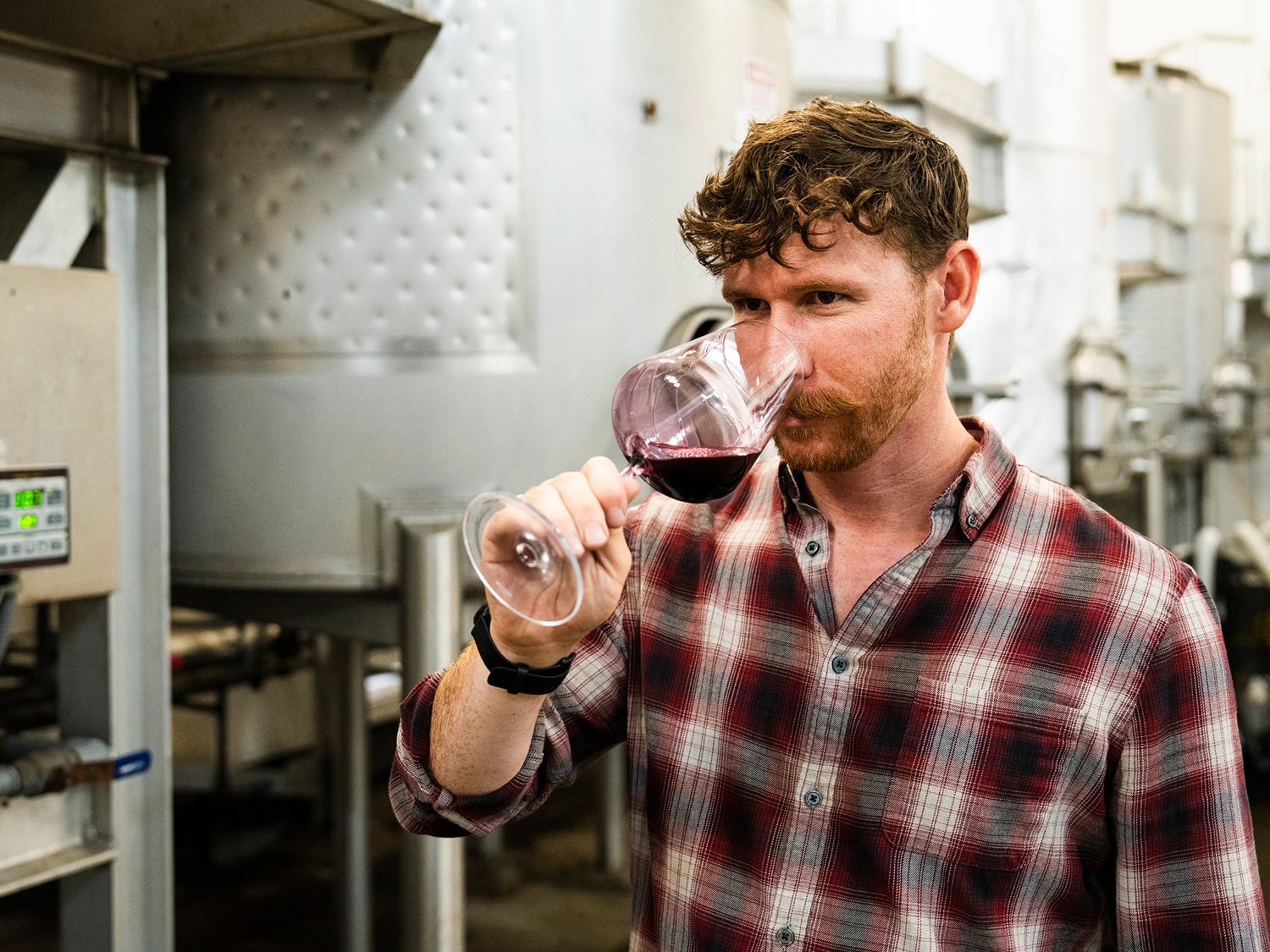
There is data available, of course, but this stage of harvest relies as much on sensory judgment as it does on numbers. Each fermentation has its own energy and rhythm. We taste, smell, observe, and respond to what that particular lot is showing us rather than applying the same approach to every tank.

From the outside, the work can look almost casual. It isn’t. The team is in constant communication, tracking subtle changes and deciding when to step in—and when to give a fermentation the time and space it needs. A pump-over that runs too long can alter texture; an overlooked shift in temperature can change the aromatic profile.

The attention required isn’t dramatic. It’s quiet, sustained, and deeply intuitive: listening closely to each fermentation, then returning the next day to listen again.

“Harvest is where preparation meets instinct. We spend the entire year listening to the vineyard, then in a few intense weeks, every decision has to honor what the fruit is giving you.”

- ZACH WATKINSWinemaker

Harvest at Louis M. Martini

Harvest at Louis M. Martini

Harvest at Louis M. Martini

Punch Downs at Night

The day doesn’t end when the sun goes down. Fermentation doesn’t keep business hours.

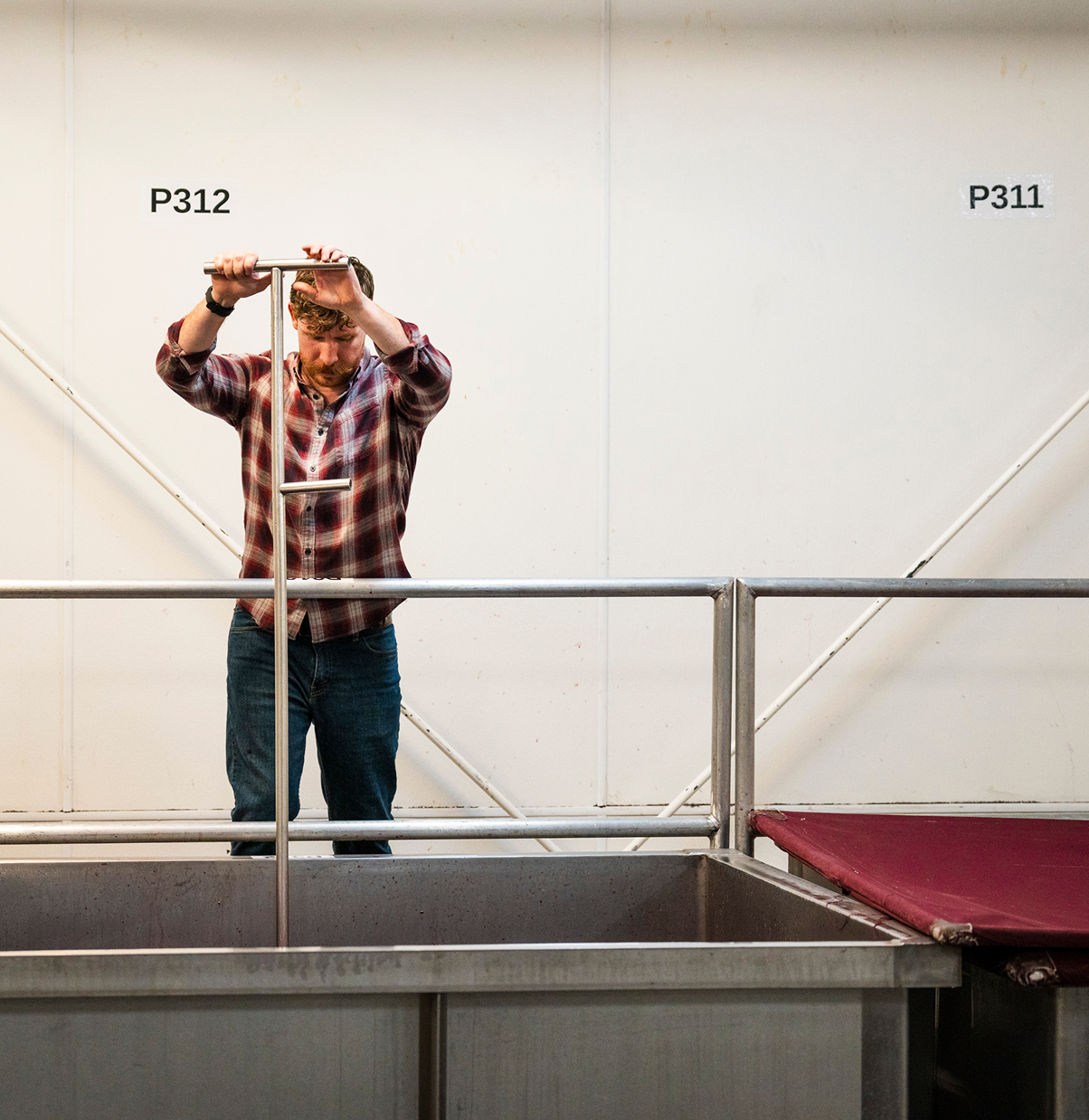
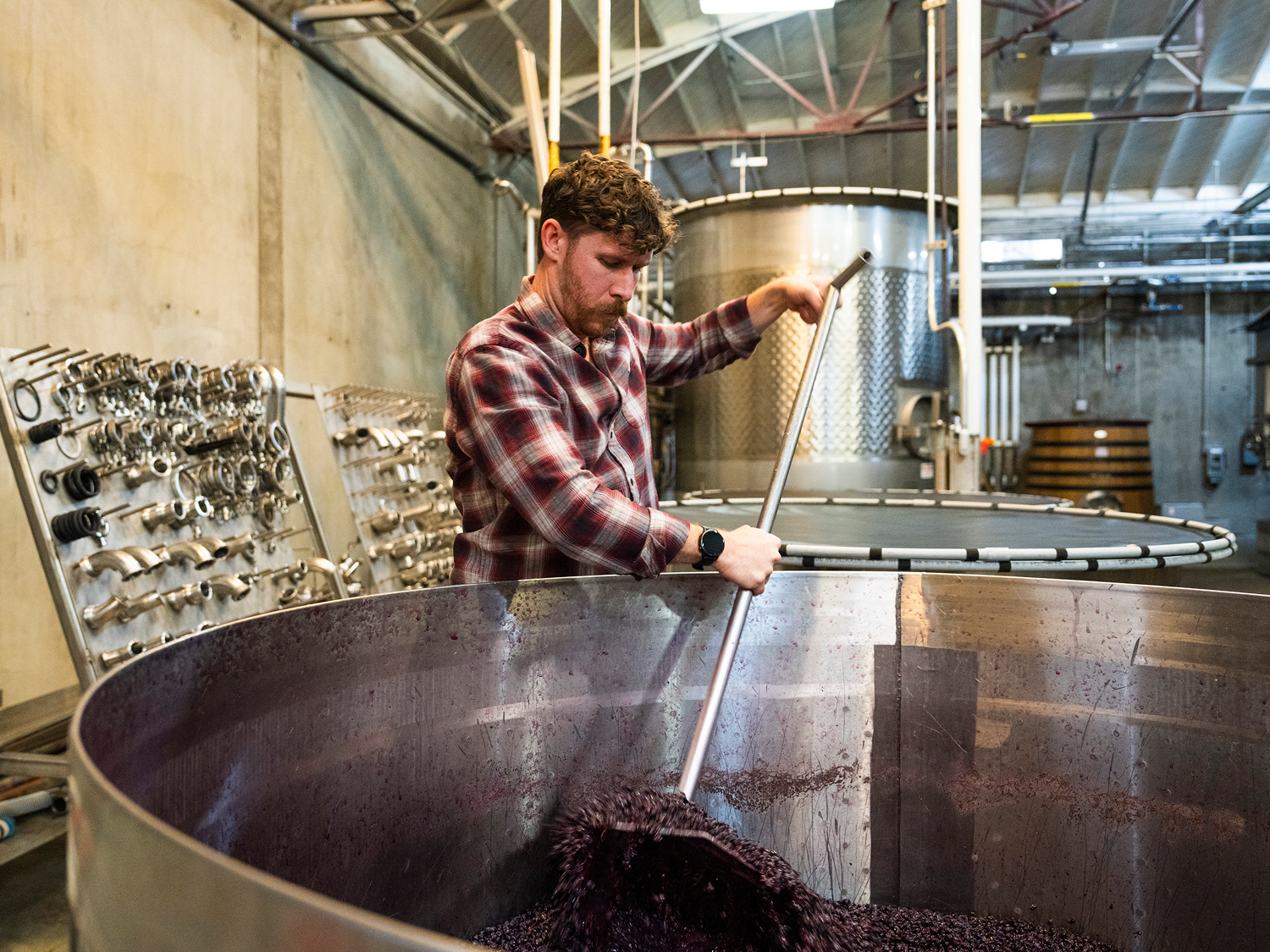
As fermentation progresses, grape skins rise to the surface of the tank, forming what’s known as a cap. Its thickness is determined by factors such as berry size and the tank’s height-to-width ratio. Reintegrating those skins with the fermenting juice through punch downs is one of the most important ways we shape a wine’s body, tannin, and color.

Punch downs happen multiple times a day, and while the work is physical, it is never automatic. The team considers what each fermentation is showing and adjusts the approach accordingly—how much to work the cap, how long to continue, and how often to return.

Swing shift carries much of harvest’s less glamorous but essential work. Along with evening punch downs, the team cleans equipment, prepares for the next day’s fruit, and keeps the cellar organized through the constant motion of the season. They also monitor fermentations, record observations, and stay attentive to the details that can shape the following day’s decisions.

It may not be the part of harvest most people see, but it is foundational to the care and precision behind every vintage

Why We Do It This Way

We’ve been making wine in Napa Valley since 1933. Three generations of the Martini family built a reputation not on shortcuts, but on the conviction that the right way and the hard way are often the same way.

Stagecoach Vineyard reflects that belief. It isn’t an easy site to farm, and it doesn’t offer easy answers. It asks for patience, precision, and respect for what the vineyard gives us each season.

Every bottle of Louis M. Martini Cabernet Sauvignon made from Stagecoach fruit carries the imprint of that work: the early morning alarm, the hand-selected clusters, the careful sorting, and the late-night checks that keep the process on course.

You won’t read all of that on the back label. But it’s in the glass.

Come taste for yourself. Our St. Helena tasting room is open daily, and our team is ready to open something worth talking about.

harvest grape sorting
harvest in Napa Valley grape picking
wine grapes
what does harvest actually look like
harvest winemaking
winemaker at Louis M. Martini during harvest
Back to Top