Bud Break: Spring in the Vineyards
Where Every Vintage Begins
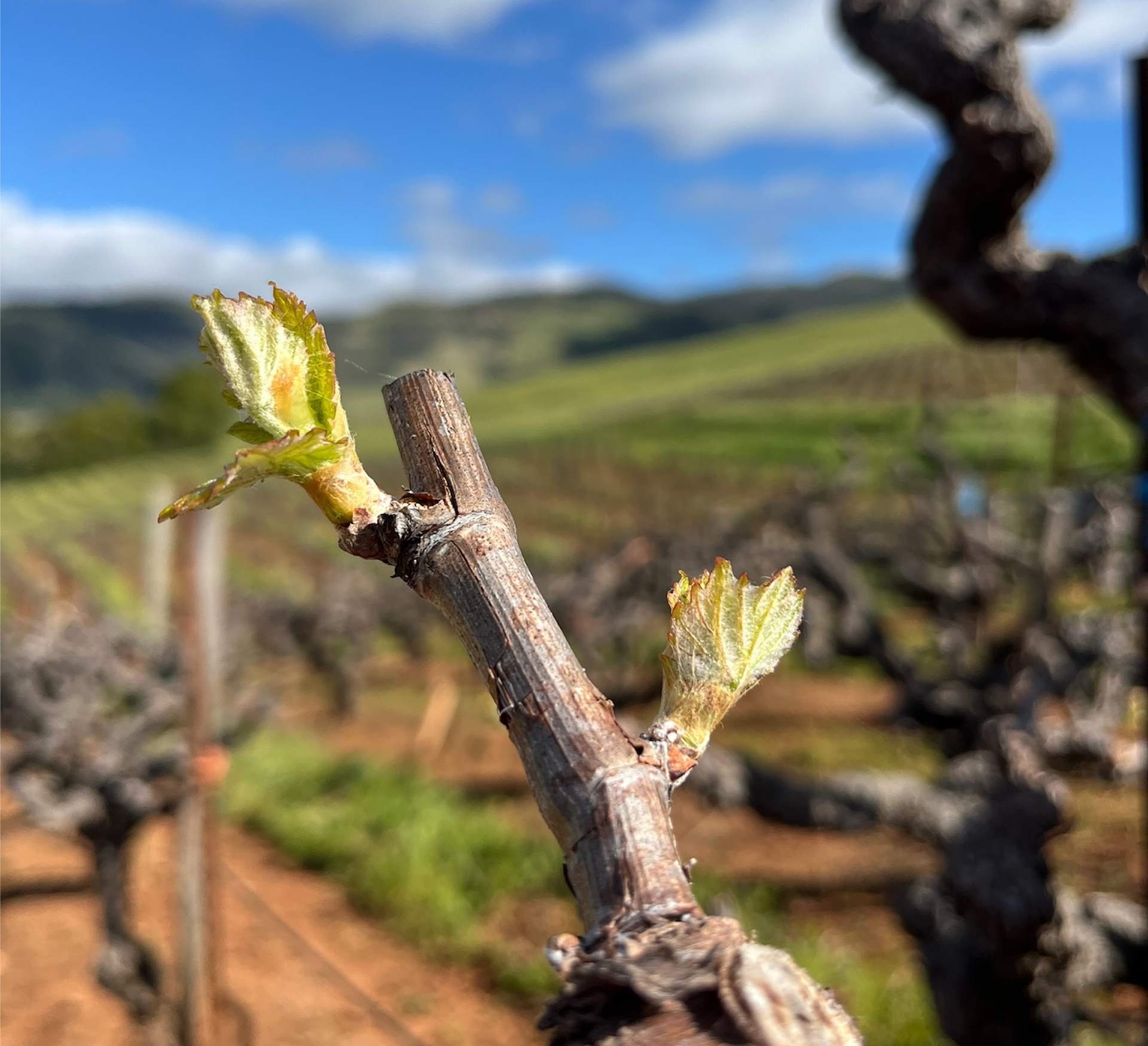
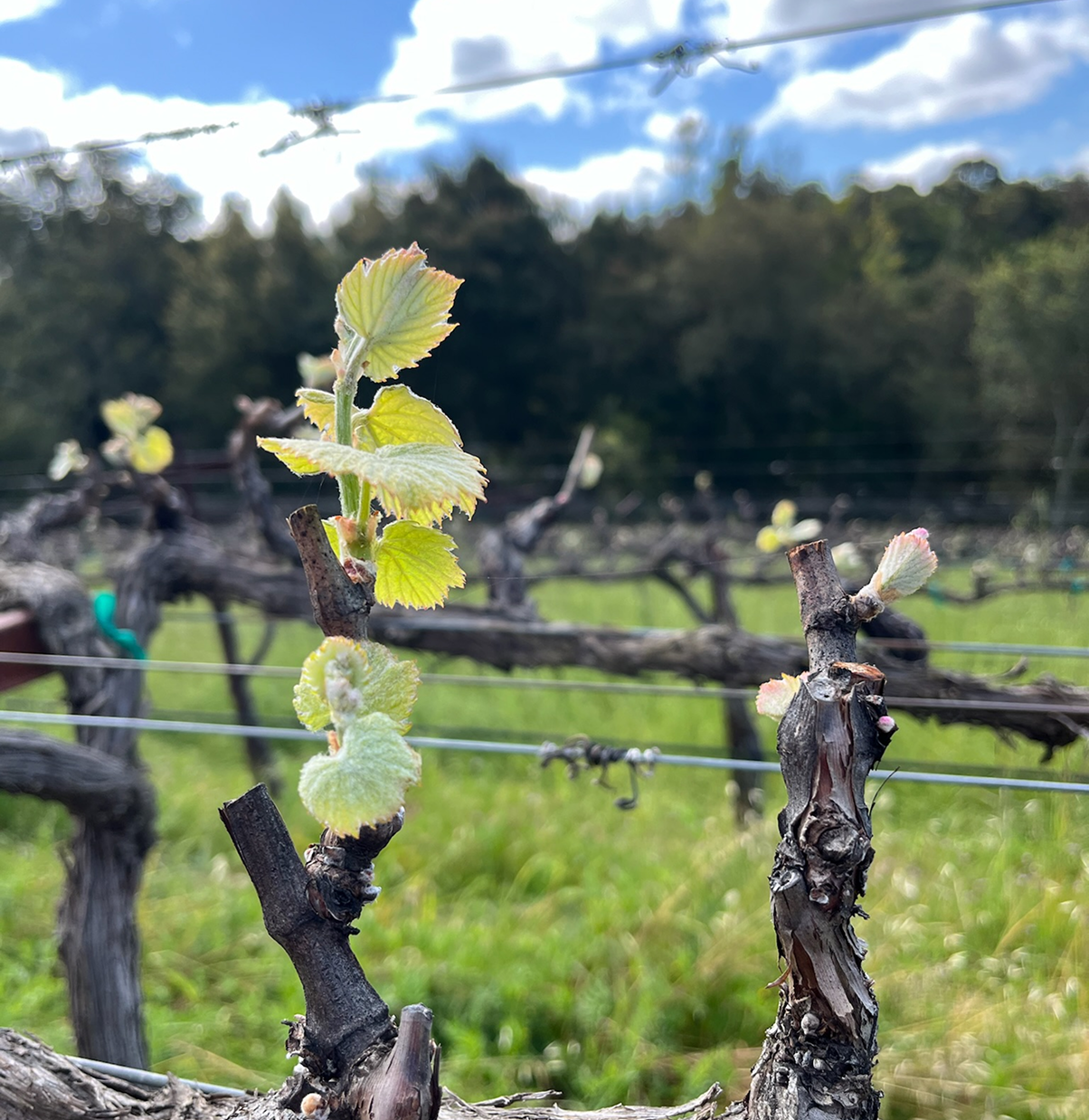
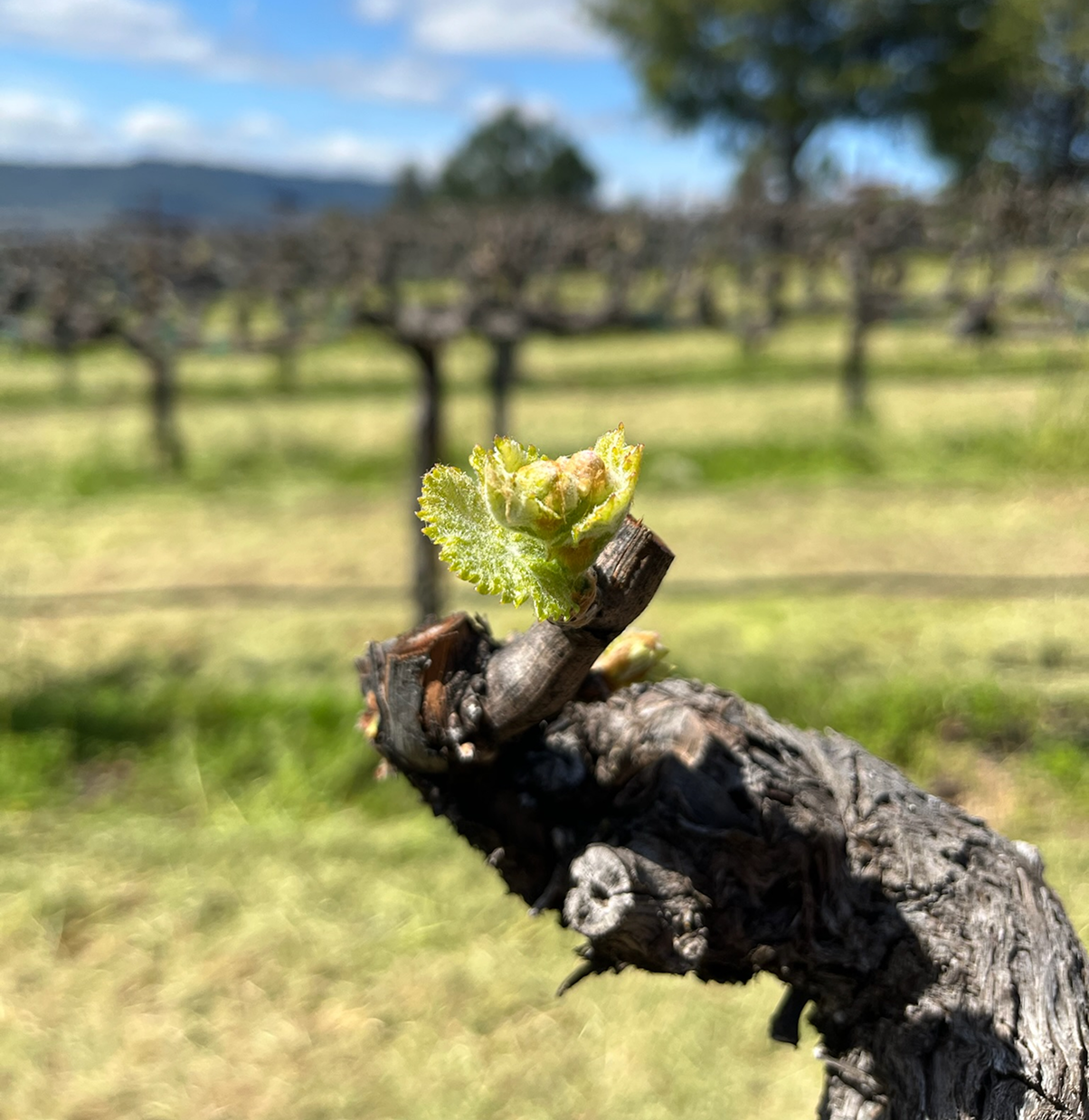
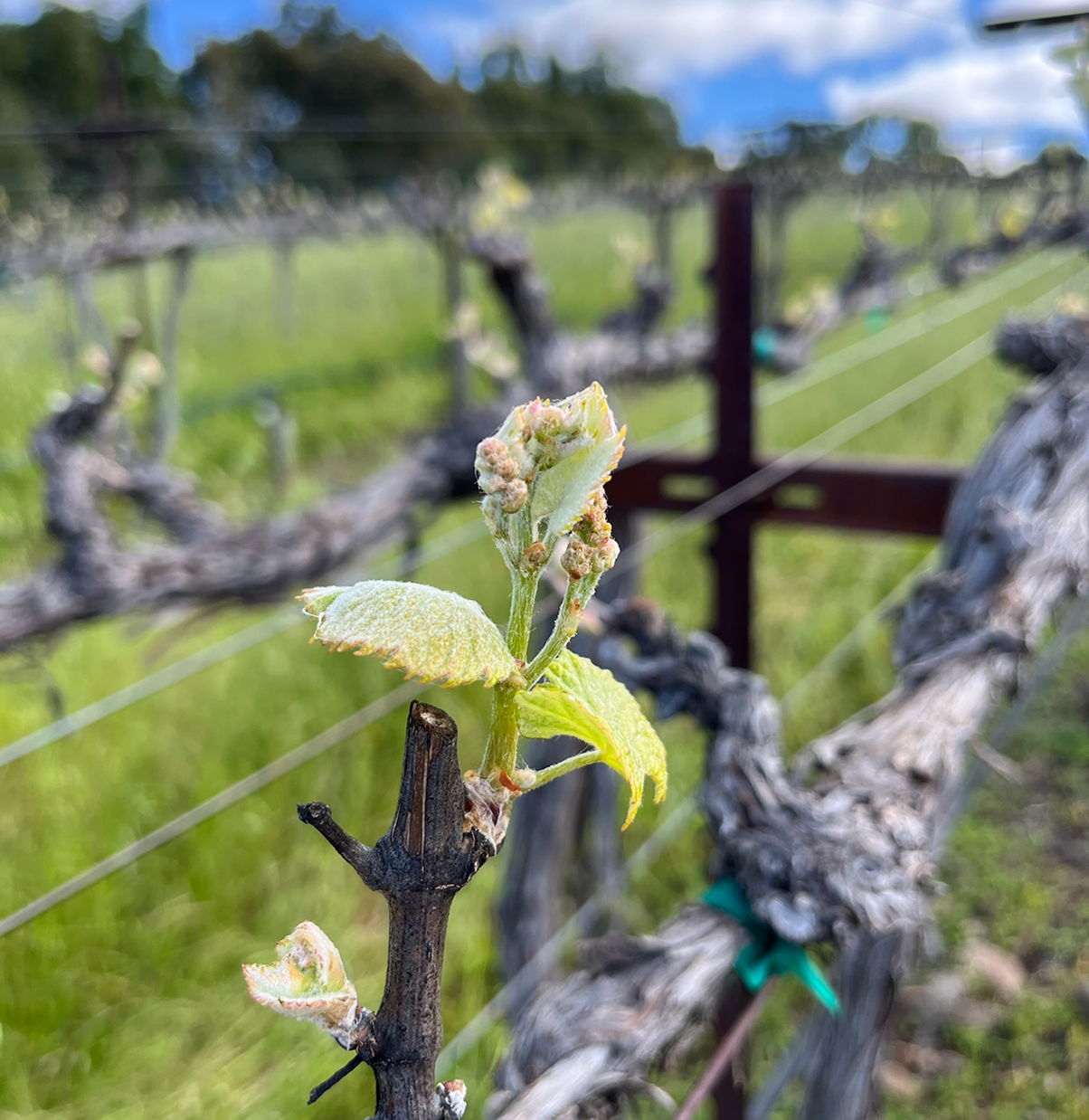
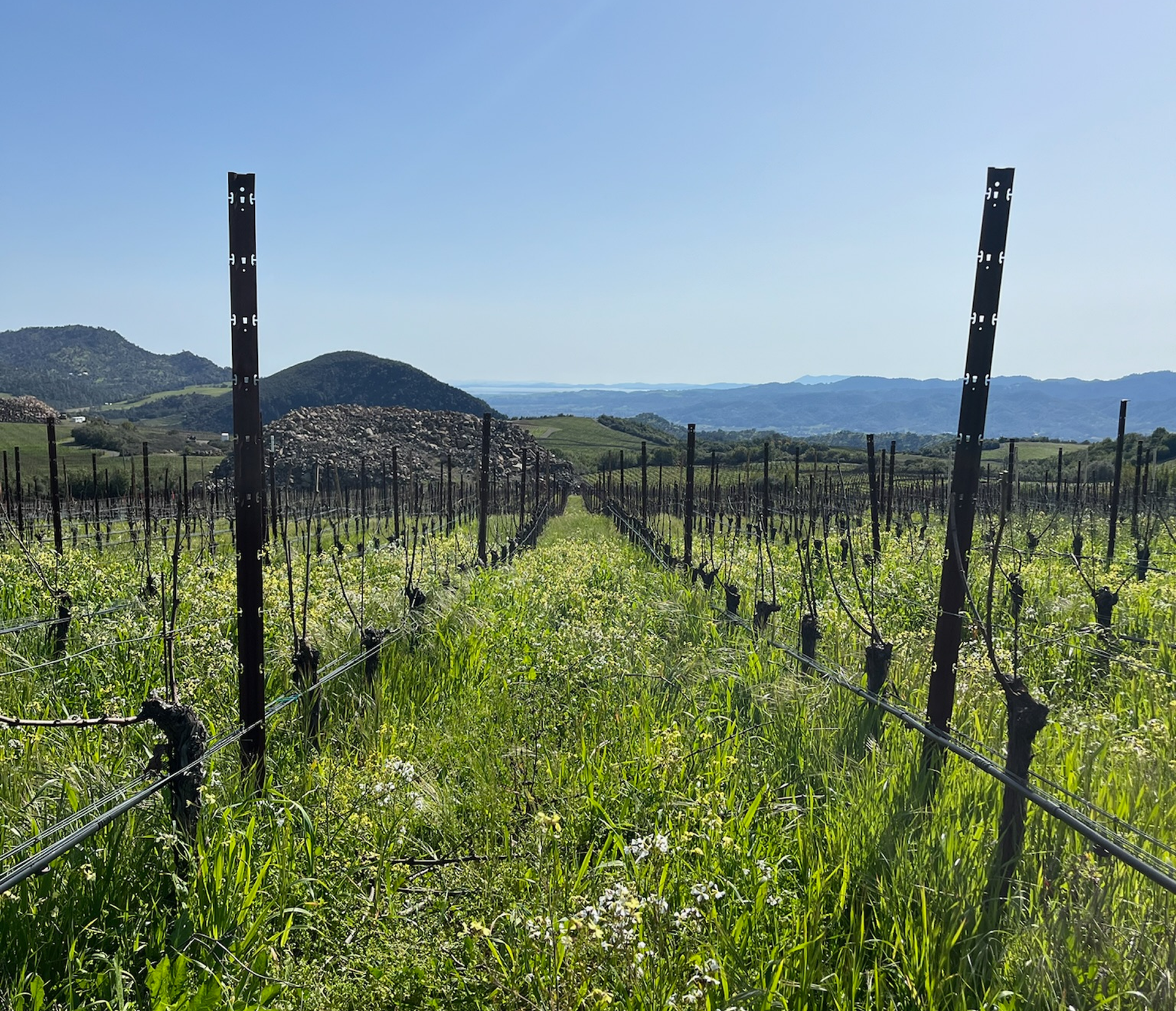
Spring doesn’t sweep across Napa Valley in a single warm breeze. Most years, it arrives quietly—almost shyly—through the smallest signs: the first green tips pushing from the canes, the chill that still hangs over the soil at dawn, the subtle shift in the way the vines seem to drink drink in the morning light.
This is bud break.
And this year, it came early. A stretch of warm days in late winter coaxed the vines awake two to three weeks ahead of the usual rhythm—an early beginning, but not an unwelcome one. Every season is unique, and an early start simply means this vintage will tell its story in its own way.
Bud break is the quiet beginning of a new vintage. It’s subtle at first. Nothing dramatic. Nothing loud. But for us, it’s one of the most important moments of the year. What happens now—what we observe, what we encourage, and what we choose not to touch—will echo through the wines you’ll enjoy years from today.
And when you appreciate this moment, you appreciate the origins of great wine.
A Quiet Beginning: The First Signs of a New Vintage
Vineyards spend winter in a deep, restorative slumber. Then, slowly, the season turns. The sun lingers a little longer. The earth warms by a degree or two. The returning light signals a new beginning—potential, hope, and the quiet promise of the season ahead. And one morning, after months of waiting, the vines awaken.
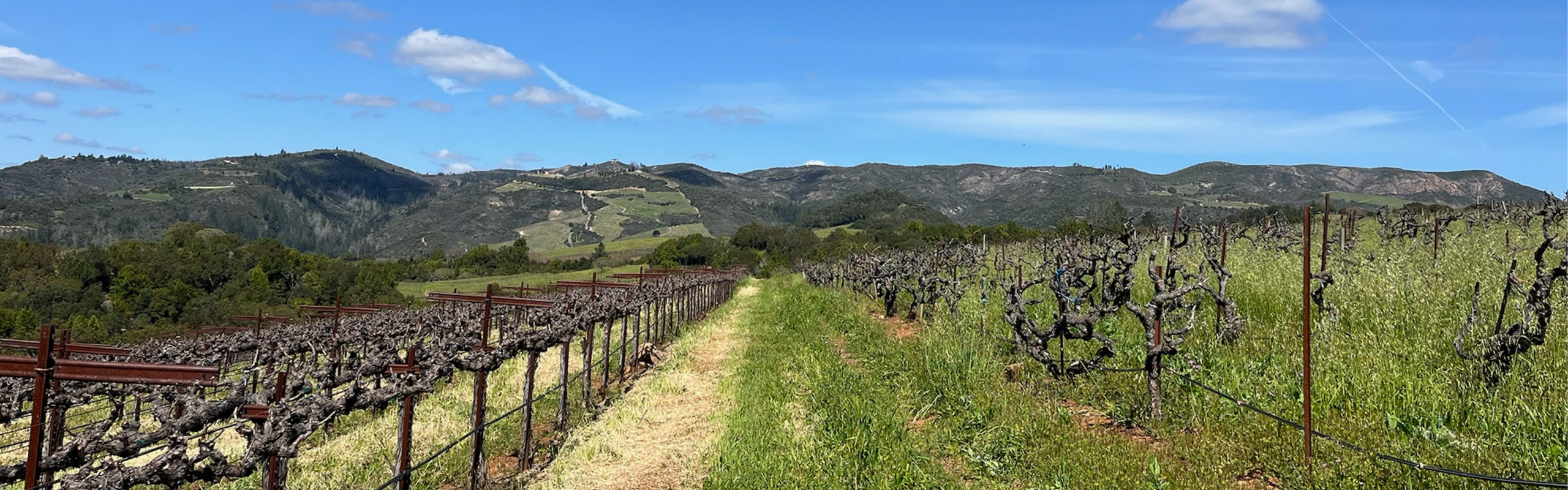
Across our vineyards—from the old-growth Sémillon on Monte Rosso to the younger Cabernet blocks in St. Helena, to Petite Sirah and Zinfandel tucked in our warmer pockets—tiny buds begin to swell and split. In these fragile green flecks lies the season’s potential.
Bud break is the birth of the vintage.
People often assume a vintage begins with harvest—the tractors, the bustle, the crush. But ask any winemaker, and they’ll tell you: the real beginning is here. Bud break is when the first crucial decisions are made, long before a single grape is formed. For our winemaker, Zach Watkins, this is when instinct, attention, and experience matter most.
He walks the rows, observing each block, each variety, each vine. He’s not looking for problems. He’s looking for cues—subtle signals about how this season wants to unfold. He’s asking questions and listening for the answers in the vines, the soil, and the rhythms of the season.